Posted on Leave a comment

Exciting Changes Ahead: Join Our Journey

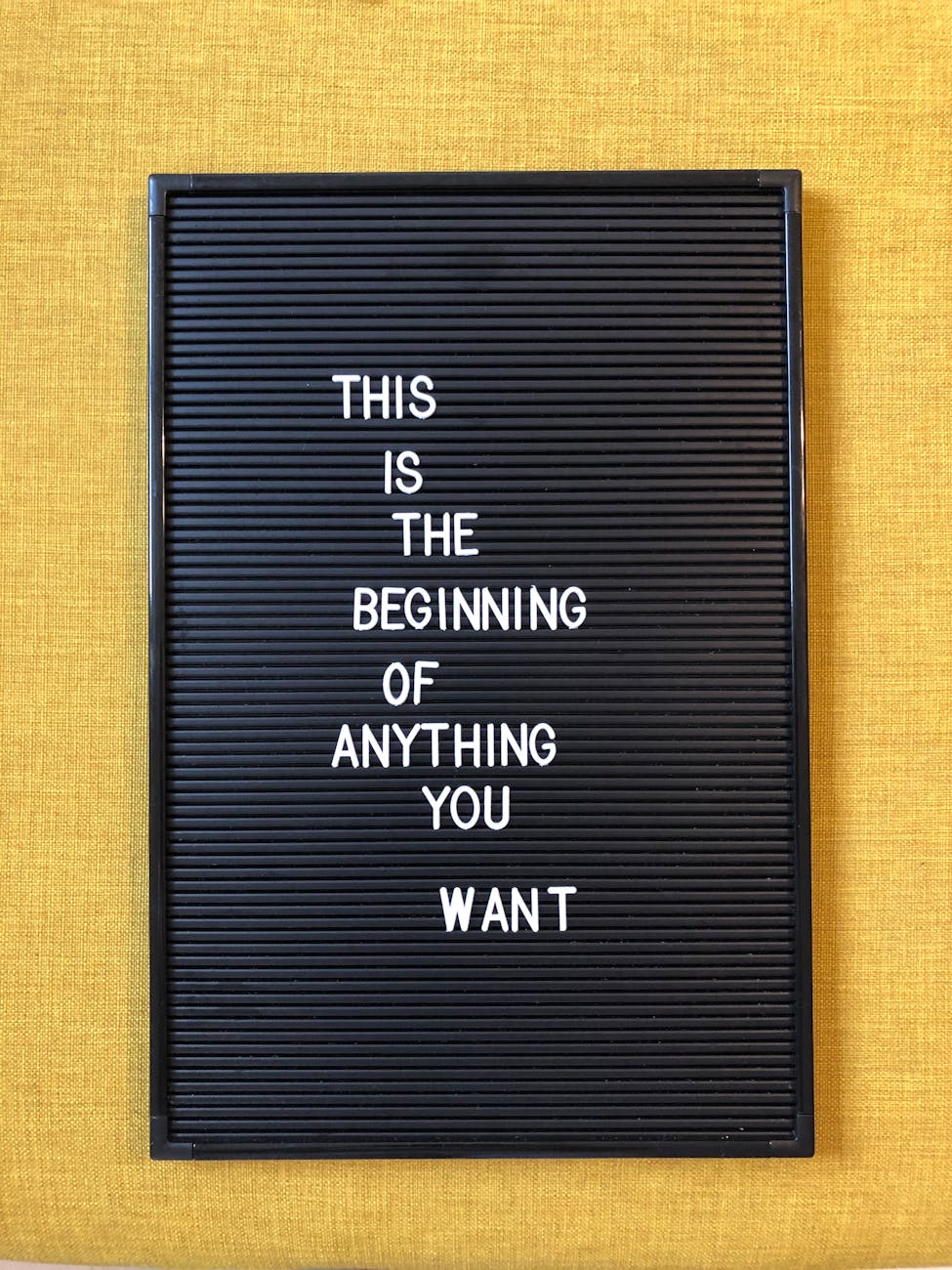
inspirational quote on black letter board

By Chiara Luz

inspirational quote on black letter board
Photo by Ana Miranda on Pexels.com

The site is undergoing a facelift soon and I thank you for being here. I want to add more voices here and revamp the interior a bit and get to some of the fun parts. I will need your help! Get your pens, computer, imagination and creativity ready and stay tuned. The subscription here says, “information is access,” we want that to hold up while we also add in some stories.

Moreover, I want you to find what you want and only what you want. Alot more will be local, because I am back in the studio (which is a separate site) and so many things are happening. Anyone who doesn’t believe that with a little elbow grease life can be ok, hopefully we can show you different. And in a time of stress and strength, a little love and peace is always a nice balance. We are the keepers of our community so why not make it great. I hope you will scroll along the side and click through and find something relevant for you. People respond differently when I tell them in person, but sadly, I can’t be everywhere at once and so you will have to read–I hope you do.

Stay tuned. Thanks for reading.

#America250 #MD250

Posted on Leave a comment

Barriers Down, Doors Open: Why Now Is the Time to Start Saving Your Refund

I’ve been seeing all of these tiny home deliveries on social media and it got me thinking. What about purchasing land and putting a few on there? It’s a thought. It’s also a thought for you if you are interested. The better thing is that it is an opportunity for equity. You will not have to wait; it all can be yours. If that is too much of an ask, there is also the traditional homebuying route. Just think, you may not be able to leave ten homes behind, but one fabulous one is more than enough. When it boils down, we have no idea what Earth will look like 100 years out, but we have hope for the next thirty.

For years, buying a home felt like it came with a velvet rope and your credit score was the bouncer. But thatโ€™s changing. With Fannie Mae moving away from rigid credit score cutoffs and toward a more holistic view of borrowers, one of the biggest barriers to building equity is finally coming down. Translation? Homeownership is starting to look a lot more accessible for everyday people. Even better, each state updates programs that work for even the least among us. Let’s get into it.

This shift is a big deal because equity is one of the most powerful ways families build long-term wealth. When fewer people are automatically locked out by a single number, more buyers get the chance to invest in themselves instead of paying rent year after year. Itโ€™s not about โ€œlowering the barโ€ itโ€™s about recognizing that financial responsibility looks different for everyone, and that strong income, payment history, and savings matter too.

And hereโ€™s where your tax refund comes in. That refund isnโ€™t just bonus money; itโ€™s a head start. Whether it becomes part of your down payment, covers closing costs, or boosts your savings reserves, putting it aside now can move you closer to owning a home and building equity sooner than you think. Barriers are being removed, opportunities are opening up, and this could be the year you turn a refund into a foundation for your future.

Tell me are you team tiny house? Or large and forever?

Posted on Leave a comment

Preserving Gullah Geechee Culture Amid Climate Change

A Fourth of July celebration. St. Helena Island, South Carolina. (1939) Image in the Public Domain

Along the sun-soaked shores, tidal creeks, and marshlands of the southeastern United States, a remarkable culture continues to thrive. Rooted in African traditions and shaped by centuries of resilience, Gullah Geechee culture connects the United States to the broader African diaspora through language, food, music, spirituality, and a deep relationship with the land.

The Gullah Geechee people are descendants of enslaved Africans brought to the Sea Islands and coastal mainland of North Carolina, South Carolina, Georgia, and Florida. Isolated by geography but strengthened by community, they preserved customs, stories, and a Creole language that survived slavery, segregation, and generations of displacement. Today, that legacy faces a new and urgent threat: climate change and land loss.

Recent news coverage has highlighted rising seas and intensifying storms threatening Gullah Geechee communities. But these headlines point to a deeper truth that this is not only an environmental crisis, but a cultural one. What is at stake is a living heritage that deserves recognition and protection on a global scale, including consideration for UNESCO World Heritage status.

Voices from the Community: Why Gullah Geechee Matters

For the Gullah Geechee people, preservation is personal. It lives in the voices of elders, artists, and community leaders who carry traditions passed down for generations.

โ€œI have a passion to sing these songs.โ€
โ€” Minnie โ€œGracieโ€ Gadson, elder and singer

Her words reflect the importance of Gullah spirituals โ€” songs that hold history, faith, and survival in their melodies.

โ€œIf we donโ€™t know who we are, weโ€™re lost.โ€
โ€” Emory Campbell, community leader and translator of the New Testament into Gullah

At public meetings and planning forums, advocates often remind us that there is no price tag on cultural heritage. As many have said plainly: without the land, the culture dies. For the Gullah Geechee, land is not just property โ€” it is memory, identity, and continuity.

Why UNESCO World Heritage Status Matters

UNESCO World Heritage recognition would place Gullah Geechee culture alongside some of the worldโ€™s most valued cultural landscapes โ€” from the rice terraces of the Philippines to the ancient city of Timbuktu. More importantly, it would provide global acknowledgment, protection, and resources for preservation.

Hereโ€™s why that recognition matters:

1. A Living Cultural Landscape

Gullah Geechee culture is not frozen in the past. It lives on through sweetgrass basket weaving, spirituals, storytelling, farming practices, and the Gullah language itself. These traditions are inseparable from the coastal landscapes where they developed โ€” landscapes now threatened by sea-level rise, erosion, and development.

2. Preserving History and Identity

For centuries, Gullah Geechee communities have maintained distinct traditions despite systemic barriers. UNESCO recognition would help ensure these cultural expressions are protected, celebrated, and passed down, not only regionally, but globally.

3. Protecting Sacred Sites and Homelands

World Heritage status often brings international conservation support. This could strengthen local efforts to protect burial grounds, historic neighborhoods, and community gathering spaces that are central to Gullah Geechee history and identity.

The Threat Is Real And Urgent

Climate change is no longer a distant threat in the Lowcountry. Rising seas, stronger storms, and saltwater intrusion are already damaging homes, infrastructure, and ancestral lands. As shorelines disappear, so do the places where culture is practiced, remembered, and taught.

Preserving Gullah Geechee culture means more than protecting artifacts or archives. It means keeping people rooted to their land, ensuring future generations can speak the language, sing the songs, and walk the same beaches their ancestors once did.

Want to Learn More?

Here are three places to explore Gullah Geechee history and preservation efforts:

  • Gullah Geechee Cultural Heritage Corridor
    The official portal for programs, oral histories, and cultural events stretching from North Carolina to Florida.
  • Gullah Geechee Culture Initiative
    A community-driven organization sharing insights into preservation efforts, particularly on Sapelo Island.
  • Penn Center (St. Helena Island, SC)
    One of the oldest institutions dedicated to Gullah Geechee education, culture, and heritage preservation.

A Global Heritage Worth Protecting

Gullah Geechee culture is a testament to resilience, creativity, and survival against extraordinary odds. Recognizing it through UNESCO World Heritage status is not simply an honor โ€” it is a statement of values. It affirms that the stories, traditions, and knowledge of the Gullah Geechee people are not only central to American history, but vital to the heritage of all humanity.

Protecting this culture today ensures that future generations will still hear the spirituals, speak the language, weave the baskets, and remain rooted in the land that has sustained Gullah Geechee communities for centuries.

Posted on Leave a comment

Our News Feed: Exploring UNESCO’s Impact on Cultural Heritage

Image by Khalifah ALHazaa from Pixabay

Thanks for sticking with us! Weโ€™ve added the UNESCO Heritage RSS feed to the bottom of โ€œOur Current Media,โ€ and we hope youโ€™ll check it out as we continue our storytelling and crafting mission. Whatโ€™s so incredible about UNESCO is how it ties into our valuesโ€”faith, family, and folklore are all rooted in heritage. Growing up in different parts of the world shaped how I see life, raise my kids, and build my legacy. Weโ€™re the keepers of our traditions, and I hope youโ€™ll subscribe to our upcoming heritage newsletter and feel inspired to create and learn, no matter where you are. And yes, weโ€™ll definitely be featuring heritage from Maryland and across the U.S.

What Is UNESCO and Why Does It Matter?

The United Nations Educational, Scientific and Cultural Organization (UNESCO) was established in 1945 with a bold vision: to build peace through education, science, culture, and communication. Today, UNESCO works with 194 member states to protect cultural and natural heritage, advance inclusive education, and promote freedom of expression. Its flagship World Heritage program safeguards sites of outstanding universal valueโ€”from ancient monuments to biodiversity-rich landscapesโ€”ensuring they endure for future generations.

UNESCOโ€™s mission goes beyond preservation. It fosters global dialogue, sets ethical standards for emerging technologies, and advocates for cultural diversity as a cornerstone of sustainable development. In a world facing climate change, conflict, and rapid digital transformation, UNESCO reminds us that peace is rooted not only in treaties but in shared knowledge and cultural solidarity.

Image by Marisa04 from Pixabay

The Role of Heritage in Modern Society

Heritage is more than monuments or artifactsโ€”it is the living memory of communities, expressed through crafts, traditions, and stories. Preserving heritage means protecting identity, fostering creativity, and inspiring innovation. In an era of globalization, heritage offers a sense of belonging and continuity, anchoring us in values that transcend borders.

Chiara Atoyebi Media: Crafting Stories That Matter

At Chiara Atoyebi Media, we believe heritage is not a relic of the past but a vibrant force shaping the future. Our commitment is to deliver heritage news, artisanal crafts, and legacy narratives that celebrate cultural richness while embracing modern storytelling techniques.

Through curated features, interviews with artisans, and explorations of cultural trends, we aim to:

  • Revive ancestral wisdom by spotlighting traditional crafts and practices.
  • Bridge tradition and technology through digital storytelling and immersive media.
  • Amplify underrepresented voices to ensure diverse cultural narratives reach global audiences.
  • Foster intergenerational dialogue so heritage becomes a shared experience, not a forgotten chapter.

Why This Matters for Our Readers

Our readers seek more than informationโ€”they crave connection. By aligning with UNESCOโ€™s vision, Chiara Atoyebi Media offers content that inspires pride, curiosity, and responsibility. Every article, photo essay, and craft feature is designed to spark conversations about sustainability, identity, and creativity.

Looking Ahead

As we expand our coverage, expect deeper dives into UNESCO initiatives, profiles of heritage custodians, and stories that explore how culture adapts in a digital age. Together, we can transform heritage from a static concept into a dynamic movementโ€”one that empowers communities and enriches global understanding.

Don’t forget to click on our current media and scroll down. You will find the UNESCO Heritage Feed. Enjoy.

Posted on Leave a comment

The Home for the Friendless: A Legacy of Women’s Empowerment

By Chiara Luz Atoyebi

The Chicago Home For the Friendless, Chicago Illinois, 1858. Image in the Public Domain

The Home for the Friendless: Origins and Mission

In the mid-19th century, Chicago was a city in transitionโ€”rapidly growing, bustling with commerce, and attracting immigrants and rural migrants seeking opportunity. Yet, beneath the promise of prosperity lay stark realities: poverty, homelessness, and social isolation. Industrialization and urbanization created a class of vulnerable individualsโ€”particularly womenโ€”who lacked family support and financial security. It was in this climate that the Home for the Friendless was founded on March 18, 1858.

The term โ€œfriendlessโ€ was a poignant descriptor for those without family or social networks. The Homeโ€™s mission was clear: to provide shelter, care, and moral guidance to indigent women and children, many of whom were widows, unmarried mothers, or orphans. These women faced harsh judgment in Victorian society, where respectability was tied to marriage and domesticity. Without a husband or family, survival was precarious.

The Home for the Friendless offered more than a roofโ€”it provided hope and dignity. Residents received food, clothing, and spiritual instruction. Children were placed in homes or trained for employment, while women learned practical skills to regain independence. This charitable work reflected the eraโ€™s ethos of benevolent reform, driven largely by womenโ€™s organizations and religious groups who believed in uplifting the โ€œfallenโ€ through moral and domestic education.

I wrote about the work of social reformers Jane Addams and Victoria Earle Matthews and their houses for women here.


Chicago in the Late 19th Century: A City of Contrasts

By the 1870s, Chicago had become a symbol of American ambition. The Great Fire of 1871 had devastated the city, but reconstruction brought modern architecture and economic dynamism. Yet, the fire also deepened social divides. Thousands were left homeless, and charitable institutions like the Home for the Friendless became lifelines for those who had lost everything.

Victorian ideals dominated social life. Women were expected to embody purity and domestic virtue, but industrialization blurred these boundaries. Many women entered the workforce out of necessity, challenging traditional norms. At the same time, philanthropy became a socially acceptable outlet for womenโ€™s public engagement, allowing them to exercise influence while reinforcing domestic values.

It was within this cultural framework that the Home for the Friendless thrivedโ€”and innovated.

(A large incentive for this article is based upon the idea of our food and food systems. More specifically, the removal of the highly deadly and dangerous ultra processed foods from our shelves and households.)


The Birth of the Cookbook: โ€œTried and True Recipesโ€

In 1874, the Home for the Friendless launched a bold fundraising initiative: a community cookbook titled โ€œTried and True Recipes. The Home Cook Book of Chicago.โ€ Published by J.F. Waggoner, this volume compiled recipes contributed by women from Chicago and other towns. Its purpose was twofold: to raise money for the Home and to celebrate the culinary expertise of American women.

Why a cookbook? In Victorian America, cooking was more than sustenanceโ€”it was a marker of virtue and refinement. By producing a cookbook, the Home tapped into the domestic pride of middle-class households while creating a practical product that could circulate widely. The title โ€œTried and Trueโ€ emphasized reliability, appealing to homemakers seeking tested recipes in an era before standardized measurements.

The book was a collective effort, reflecting the power of womenโ€™s networks. Contributors shared family recipes, regional specialties, and household tips. This collaborative spirit mirrored the Homeโ€™s mission: community support for those in need. Proceeds from sales funded shelter, food, and vocational training for residents, making the cookbook a tool of both culinary and social reform.


Impact on American Culinary Culture

The Home Cook Book of Chicago was more than a charity projectโ€”it was a cultural milestone. It helped popularize the community cookbook model, which became a staple of American life. Churches, schools, and civic groups across the country adopted this format, blending recipes with local identity and philanthropy.

The book also contributed to the standardization of home cooking. By presenting tested recipes, it offered consistency in an era when oral tradition and handwritten notes dominated. Moreover, it preserved a snapshot of 19th-century foodways, from hearty breads to elaborate preserves, shaping the American palate for generations.


Serving the Friendless: How It Helped Women

Funds from the cookbook supported programs that transformed lives. Indigent and unmarried womenโ€”often stigmatized as โ€œfallenโ€โ€”found refuge and purpose. The Home provided industrial training, teaching sewing, laundry, and cooking skills that enabled women to earn wages. For unmarried mothers, it offered a safe haven during pregnancy and assistance in placing children in adoptive homes.

This work was radical in its quiet way. At a time when social safety nets were nonexistent, the Home for the Friendless embodied the principle that charity could restore dignity. It also underscored the gendered nature of reform: women helping women, using domestic arts as instruments of empowerment.


A Taste of History: Iconic Recipes

The cookbookโ€™s pages brimmed with dishes that defined Victorian kitchens. Here are a few that stand out:

1. Corn Bread

A staple of Midwestern tables, corn bread symbolized thrift and abundance. Its simplicity made it accessible to all classes, while its versatility ensured a place in both humble and festive meals.

2. Pickled Oysters

Before refrigeration, pickling was essential for preservation. Oysters, a delicacy, reflected aspirations of refinement even in inland cities like Chicago.

3. Election Cake

This spiced fruit cake, traditionally baked for civic gatherings, linked food to democracy. Its presence in the cookbook speaks to the communal spirit of the era.

4. Graham Gems

Whole-wheat muffins championed by health reformers signaled the rise of nutritional awarenessโ€”a precursor to modern wellness trends.

5. Preserved Fruits and Jellies

From peaches to currants, these recipes showcased domestic ingenuity. Preserving fruit was both practical and symbolic of abundance, reinforcing ideals of household competence.


Conclusion

The story of the Home for the Friendless and its cookbook is a testament to resilience, creativity, and community. In a city rebuilding from disaster, amid shifting social norms, women harnessed the power of domestic culture to address urgent needs. Their efforts fed bodies and souls, leaving a legacy that endures in the pages of American culinary history.

The Home Cook Book of Chicago was more than a collection of recipesโ€”it was a manifesto of care, a bridge between private kitchens and public good. Through corn bread and election cake, through pickled oysters and Graham gems, it told a story of women who turned flour and sugar into instruments of hope.

Posted on Leave a comment

My Dream Home In The Mountains Over Looking the Water Surrounded By Trees

“May your home be a safe haven amidst life’s ebbs and flows.”

-Chiara Atoyebi

This past weekend I took a brief trip to the Adirondacks and then over to Manhattan and stayed in a hotel down the street from where I lived in Midtown. As I walked through the neighborhood and reminisced on all the amazing restaurants and bars I frequented, I thought to myself, “you were one lucky woman living here!” And as much as I love it, it was a great experience, but I don’t think it could be my forever experience.

Years before I lived in the city, I imagined myself living a life similar to the one I wrote about in my book Broken Heels. Well, I touched on it, but definitely not enough. Thinking about it now, reminds me of how I need to finish book two, which takes place in San Francisco. New York and San Francisco are my favorite places to live for two reasons. I love the density and the anonymity I feel in New York City, and I also love the architecture, hills, and water signature of the Golden City. However, when I think about my dream home, I know I can’t live in a concrete jungle unless there is a lot of foliage around.

So What Is A Dream Home?

In many ways, I live in my dream home. It’s not my dream location because I am not in the mountains nor am I near any water, but, I am surrounded by trees, parks, and greenspaces–all of which I love.

About two years ago, I was thinking that I wanted to live in Atlanta. I would get this sprawling home with a basketball court outside, two kitchens, a large foyer that I could look down on from upstairs, balconies, a sauna, an inground pool, a large studio for me, and six bedrooms for family and friends. With the home being so large I wanted it to also feel cozy and accessible as well. Doesn’t that sound wonderful? I think so too. But, it would still be a house, not a dream house. So what is the difference?

In my dream house, I would have all of the things I mentioned and then some. Plus, it would have to be in a warm location. Either, on a coast or in the Caribbean, so I can live in the hills and overlook the water. With a location like that, you don’t need much else. At least I don’t think so.

In my most recent thoughts about a dream home, I’ve thought about raising my youngest by the water. When I lived on the island of Saipan, I watched my students surfing, scuba diving, and studying marine life. The water was so natural to them that I hoped that when I started to have kids, I would raise them in this way. Technically it’s not too late, what do you think? Where is your dream home and when would you like to make your dream a reality?

At the end of the day, my true dream home is filled with peace, love, and laughter surrounded by a beautiful aesthetic–and that could be almost anywhere.

Posted on Leave a comment

Embracing Resilience: Who Inspires You?

Daily writing prompt
What is something others do that sparks your admiration?

I admire people of conviction. People who watch the trends come and go and remain steady. I admire people who are wise and can pass on wisdom to others. I admire people who find the silver lining no matter what is happening all around them. I admire people with lived experience who come out of the trenches with glowing faces.

In life some people have an abundance of those people around them. Maybe they were born into circumstances where they didn’t have to do so much in order to get ahead or to stay alive. Maybe they weren’t constantly looking over their shoulder in a dog- eat-dog situation. Good for them, peace is the biggest leg up anyone can have in life. Thatโ€™s why I admire people who, despite their circumstances, choose to lead and become the change in the lives of others.

I also admire people who can walk away from a thing. They may even come back at a later date. But strong people are not tied down to things so much. My personal belief is that we do all things unto the cause of love and for the glory.

In doing so, everything else comes into right standing.

In this life so many people want to take you off your square, but there are more that want to see you win. I like to call them hidden in the fog. We get one life, and I hope the choice is to do it right.

Posted on Leave a comment

Turning Roadblocks Into Hope: A Message for Single Moms

Today I turned on the news and saw something that gave me hope. It was definitely a “Your Cross Is Your Crown” moment. Lately, I have been feeling like I can do hard things. Especially in areas where I may have allowed my skills to um, lapse–i.e. the financial literacy department.

As you know, life can throw curveballs and there are unexpected challenges that change everything. For some, those twists lead to single motherhood. For others, itโ€™s been the reality from day one. Either way, the journey can feel overwhelming. You work hard, sometimes juggling multiple jobs, not just for survival but because deep down, you want more time with your kids. Ironically, the biggest struggle for single parents isnโ€™t just moneyโ€”itโ€™s time. Time to guide, nurture, and be present.

I grew up with both parents, but they worked tirelessly to give us a good life. I often wondered if they missed moments with me and my brother while chasing financial security. That thought stays with me as a momโ€”because whether youโ€™re single or partnered, the desire is the same: to give your children the best future possible.

Hereโ€™s the truth: being a single parent is not a life sentence. Kids grow up. One day, youโ€™ll step into a new chapterโ€”stronger, wiser, and ready to build something even better. But right now, your focus is on their future. And today, I found something that gave me hope: Trump Accounts. This is an amazing philanthropic gift from the Dell Family. I am here for anyone who puts tangible action into play, especially for our nation’s youth. This is huge. I plan to post more on the steps to engaging this opportunity in future posts but this is a genuine solution for children under 18 and their families. Read on for how it works.


Why This Matters

If youโ€™re a single mom or part of a working family, you know the daily balancing actโ€”stretching every dollar while dreaming of college, a first home, or a debt-free start for your child. Saving feels impossible when bills demand your attention. Thatโ€™s why Trump Accounts are such a breakthrough.


What Are Trump Accounts?

  • $1,000 Government Seed: Every eligible child gets a head start.
  • Up to $5,000/year Family Contributions: Build steadily over time.
  • Employer Contributions: Up to $2,500 annually, tax-free.
  • Dell Family Bonus: $250 for millions of children in qualifying communities.

Funds grow through investments in U.S. stock index funds. If fully funded, a child born in 2026 could have:

  • $303,800 by age 18
  • $1,091,900 by age 28
    (Projections, not guaranteesโ€”but powerful nonetheless.)

Why Itโ€™s a Game-Changer for Single Moms

This isnโ€™t just about moneyโ€”itโ€™s about opportunity. Itโ€™s about breaking cycles, leveling the playing field, and giving your child a foundation for education, entrepreneurship, and independence. For single moms, Trump Accounts offer something rare: a chance to turn small steps today into life-changing outcomes tomorrow.


Final Thoughts

You already give your child love, resilience, and guidance. Now, you can give them something even more powerfulโ€”a financial head start. This is more than a savings account; itโ€™s a promise of possibility.


Call-to-Action:
What do you think about this initiative? Could it help your family? Share your thoughts below and subscribe for more resources on building a brighter future for your kids. Also, please like share and subscribe. Thanks for reading.

Posted on Leave a comment

Kambili: Let Me Live

When I first started my writing collective a few years back, I chose the name Kambili. It means “let me live.” I felt it was perfect. I was living in a world where I was being focused on at a granular level and that’s alot. Yet, I have lived enough life to know that there are people who feel an innate need to tell others how to live despite being reproached.

For me harmony is achieved when everyone is respectfully giving their opinion and sharing feelings and ultimately minding their business and letting other people live. In 2019, I gave up gossiping. Right after that I did my best to remove the things that were erected as idols in my life. Those two actions cleared out pretty much everyone in my life. That’s sad and scary when you think about it.

To be clear, I really only had one gossip partner, but she was, and is, the queen bee of it. We all have these people in our lives. For the most part it’s innocent, but I had to permanently let it go. Gossip puts in motion unforeseen tragedies that often boomerang back in the form of karma. Most people don’t know that’s what’s happening though. When I did that, it created a peace within me that has been unwavering. I largely focus on the tasks at hand and the joy in my circle. Harmony is best when you do you and I do me, and when it feels right, we can do us. I am ok to lose out in some situations and win in others. But all people need the space to express themselves and to simply be. We are here to love and to express ourselves in the unique way that God intended and will often upset the apple cart if those ideations are obstructed. Remember, one person’s harmony is another person’s overbearing—therefore walking away or taking turns being quiet is best.

Posted on Leave a comment

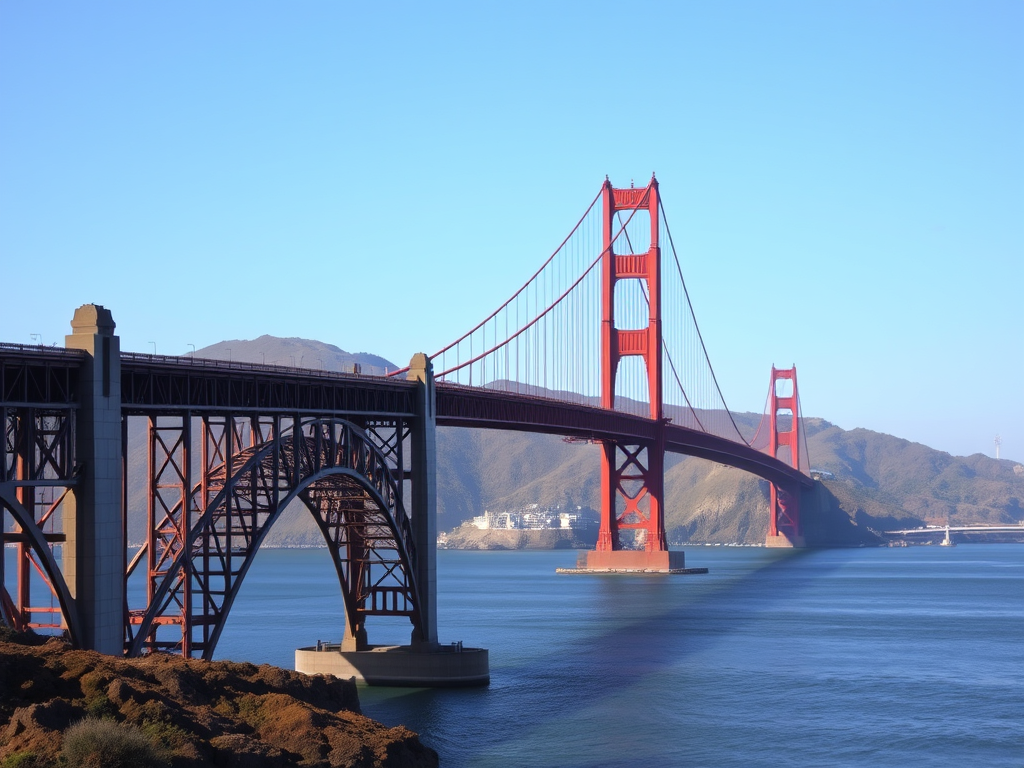
Today In History: The Golden Gate Bridge and The Legacy of Connection

The Golden Gate Bridge and The Legacy of Connection

During the 1930s America was in the throes of a depression. This event, which was prompted by the stock market crash of 1929, had a global impact that affected millions of lives. This was a time of great suffering and Americans, were looking for answers, stability and a pathway forward. In essence, people were looking for jobs in order to renew their sense of purpose and restore hope in the future–they needed something to bridge the gap. It was a perfect time to build a bridge. Bridges are more than just physical structures; they serve as symbols of human ingenuity and resilience. They not only connect lands but cultures and communities, while playing a pivotal role in shaping their identities.

America would soon get itโ€™s symbol during the summer of 1937. One that assured itโ€™s resilience and hope for the future. On May 27, 1937, San Franciscoโ€™s Golden Gate Bridge was officially opened.

This monumental endeavor that was ushered in by a week-long fiesta where more than 200,000 pedestrians paid twenty-five cents to walk its newly constructed 8-mile street. The bridge was erected during the Great Depression and came at a time where unemployment was high and morale was low. These much-needed jobs were ones where not only satisfying but deeply gratifying to those that worked on them.

The Golden Gate Bridge stood as a testament to the determination and spirit of the American people, providing jobs and instilling a sense of pride and accomplishment. The bridge’s construction, was one of Franklin D. Rooseveltโ€™s infrastructure deals that helped shape America and helped secure his legacy. It not only symbolized economic recovery, but also became a beacon of hope, promising a brighter future.

Posted on 2 Comments

Excuse Me While I Eat My BLT: The Not-So Cutesy Demure Edition

Daily writing prompt
What makes you nervous?

How many times have you gone to one of those white tablecloth lunches or dinners and you are starving? Even though you ate earlier that day, or you had the tea and bagels in the morning, everyone seems to be ravished by noon. It’s crazy. By the time they roll out the food it’s all crunchy and saucy and awkward. It’s also at that very moment when you’ve lost the battle of “to eat the onions or pick them off,” that your boss wants to be buddy -buddy and sit next to you. Obviously, the onions will have to wait until the next luncheon.

For me, situations like that always makes me nervous. It’s why I now pack some nuts in my bag and do a little snacking before I sit down. There is nothing that scares me more than biting into my sandwich and then having a small piece of lettuce shoot out of my mouth. Or drinking my coffee only to have it dribble out the corner of my mouth and onto my white shirt–dang it! I’m not one of those women who can stoically sit in front of a buffet of food and casually chit chat while not eating at all. These women were the discipline MVP’s before Ozempic hit the scene. No, by the time lunch is up, I’m typically hangry.

Granted, I don’t hate eating in front of people. I just hate being too hungry in front of people. It’s like all bets are off in the class department when Jose Andres or someone is catering. You will have to think of me as you will. It’s like paella is about to be incoming very fast. More than anything, I’m often too nervous to eat on some occasions. Let alone in spaces where I’m trying to make an impression. I can do soup, noodles, small bites and anything that requires chop sticks.

This is actually my first time thinking about this, and now I’m wondering if I need therapy. But yeah, messy foods and meetings are a no for me. I’d rather drink my beverage and look glamourous, unless it’s our second time lunching together, then all bets are off.

Posted on Leave a comment

A Little Steak Here And There Is Great for Recharging The Blood

What are your feelings about eating meat?

When I think of meat, or meat related questions a big picture of Fred Flintstone and his brontosaurus burger often comes to mind. I know itโ€™s a silly image but I became a vegetarian all by myself at the age of twelve. It wasnโ€™t until the last twelve years have I been on again off again with meat. Today, I think I have derived a firm conclusion on meat eating via the ideology of the Pueblo Indians and my connection to Curanderismo. Itโ€™s good in moderation and even better when itโ€™s well sourced.

In the second grade my son was working on a project about the Southwest Indian culture when I had an epiphany: the eating of flesh is when you need to be strong and aggressive and the intake of veggies and fruits are for calming and peace. Also, the seasons of eating meat came into significance for me based on when the concepts of seed time and harvest.

After I had that highly intellectual and rationalized thought, it made sense to me why eating fish sometimes made me sad. Itโ€™s because I believe life is in all things. Once I reconciled all those high level beliefs within myselfโ€”I went to the Korean BBQ and had a meat feastโ€”no regrets. It was amazing and I love good cuts of meat. Unfortunately not all cuts are of good quality unless they come from the right source. I would rather have small portions of great instead of large portions of meh.

To support my wayward meat eating habits and the meat eating habits of my family I purchased a smoker. I love eating smoked foods. This method of cooking low and slow is actually good for your skin as well. (I believe so)

In short, my daily habits donโ€™t include meat. It does however, include too much dairy. I feel better, think and operate better, with minimal meat. But there does come a time when I canโ€™t say no to a good steak. Itโ€™s one of the best ways to recharge the blood.

Posted on 1 Comment

Writer Resources

Here are some of my favorite places to visit when looking for publishing opportunities:

Write or Die Magazine

Journalists Toolbox Substack

The Forever Workshop

โ€œThe Forever Workshopโ€ is a Substack newsletter byย Mike Reilley, the same person behind the Journalistโ€™s Toolbox. This newsletter focuses on providing journalists and content creators with tools, tips, and resources to enhance their work. It covers a wide range of topics, including data journalism, fact-checking, and digital storytelling.

Posted on

Toyin Ojih Odutola: Exploring Relationships With The Power Of Theย Pen

Subscribe to continue reading

Subscribe to get access to the rest of this post and other subscriber-only content.