Posted on Leave a comment

Why I No Longer Have Food Waste

Food Waste Graphic Courtesy of the Author via Generative AI

I no longer have food waste.

We rarely waste food in the house. I remember sitting in my house after coming from a meeting with the Sustainability Committee in my city where we were trying to solve some food waste issues. I was thinking, how in the world could scarcity and excess exist in the same space? It seemed off to me. I have to say there is never a moment in my life that I had no food. Zero food.

There may have been a time in my adult life where I thought, oh my goodness I may run out of food–let me start to fast so it’ll be less painful! But the miracle of life is that it never got that way. Thankfully. To give you an example of what I mean, I would have rice and mixed vegetables in my house and an onion. I would go grab some soy sauce and small chicken and make stir-fry. Granted I was only feeding me as an artist on the edge but it was great. Especially with a garnish. You can do the same and make it nice for your dinner table. Kids only remember the end result, not so much the struggle unless you are complaining. I don’t know about you, but my Nana and grandmothers never complained. It was only, “come on in and eat!”

I don’t want to belittle or undermine food struggles, but I also don’t want to stoke fear and anxiety. Sometimes the solution may not be quantity but quality and true accessibility. Some of which is resolved with online shopping.

*Amazon offers discount Prime membership based on income.*

I come from people who could take whatever was left in the cupboard and turn it into a gourmet meal. At least, that’s how it was when I was growing up. These days, I notice a lot of folks let food sit in the refrigerator until it goes bad, and to me, that’s a real issue. Having abundance is a blessing, but having high‑quality food and clean water at home is even better. It supports real health, and because the quality is higher, you actually feel more satisfied.

I appreciate that we now have a new food pyramid. After decades of rising illness, it’s clear that what we were doing wasn’t working. Change was overdue. When I was younger and visited friends from wealthier families, I noticed something interesting: they rarely had a lot of food in the house. Maybe a beautifully organized snack shelf, plenty of beverages, and if I stayed over, they usually ordered takeout. Yet everyone was thin, healthy, and full of energy. Food wasn’t the center of their lives. That doesn’t dismiss food insecurity—if anything, it highlights how deeply it matters. The type of food we eat is often more important than the sheer amount. I would cry real tears for anyone who blocked another person from trying to be healthy and change their perception. Life is very precious.

A kitchen stocked with Cheetos, soda, and frozen meals might feel convenient, especially for kids coming home hungry, but true nourishment comes from proteins, vegetables, and real meals that actually fill you.

Variety is wonderful, but learning discipline in how we eat and discernment in how we shop can change everything. I’ve found that I save more money simply by buying less junk. I can still enjoy eating out once or twice a week—or even just once a month—but the biggest difference I see is in my family’s health. Their skin glows. We have our vitamins, clean water, stews, soups, meats, pasta, and salads. The meals I cook last about two days, so we don’t end up with piles of leftovers or much food waste. This is the true key to environmental activism.

What I do notice, though, is how much waste comes from crackers, chips, and snacks. Half‑eaten packages and stray cookies show up everywhere, which tells me all I need to know: these should be occasional treats, not weekly staples.

It’s important to remember that people live very different lives. Across every race and ethnicity, families fall into a wide range of income brackets, and what matters deeply to some may not matter at all to others. My hope is that everyone has access to at least a basic level of health education and support. In many places that already exists, but I’d love to see it go further—especially by empowering community leaders and local businesses who truly understand the area. They’re the ones who can help strengthen and balance the quality of life there.

When it comes to waste, buying higher‑quality items, and buying fewer things overall, can make a real difference for the environment. I learned that in an unexpected way. Two years ago, I was overwhelmed by everything happening in my life and worried I wouldn’t be able to pull off a nice Thanksgiving. Somehow, it turned into an epic $60 Italian Thanksgiving extravaganza.

This past year was completely different. Family was together, the food was plentiful, and I even had embroidered placemats and a ham. I tried to recreate the magic of the year before, but the struggle wasn’t there anymore. Isn’t that something? Maybe part of us tries to recreate that tension, that sense of overcoming. It’s worth reflecting on.

The Food Pyramid Lie: Why We Got Fat

When I think of this new pyramid, among other things, I think about all of the different circles I have moved in. One thing I know for sure is that no one wants to stay where they are. If the best option exists uptown, they want it to exist where they are as well. If all we have to access as a tool for change is information, then knowledge is wealth. Building upon that wealth is up to the execution of each individual. If you do more today with mitigating food waste, buying high quality foods, and practicing disciplined eating than you did yesterday—you are winning. Let’s take this one step at a time. Let’s plan for the year instead of six weeks.

Let’s change together.

Posted on Leave a comment

The Benefits of Buying American Meat

After years of researching how to support local farmers and buy American meat, I finally purchased my first CSA and can’t wait to open it. While it’s not local to my state, I plan to get all my vegetables from nearby farmers, even if it means buying them off a truck. I believe in living as intentionally as possible and putting my money where my mouth is. My first box from Good Chop was reasonably priced, and once I make dinner, I’ll share my post. The goal is to pay a bit more, eat everything, cut down on waste, and trim the waistline. I have posted on this before. We shouldn’t have both waste and scarcity at the same time.

Why Buying American Meat Matters

When it comes to choosing meat, where it comes from makes a big difference. Opting for American-raised meat isn’t just about taste, it’s about quality, safety, and supporting local communities.

Quality You Can Trust

American meat is regulated by the U.S. Department of Agriculture (USDA), which enforces strict inspection and grading standards. Labels like Prime, Choice, and Select help you understand the quality and tenderness of your purchase. These safeguards ensure transparency and reduce risks often associated with imported meat.

Supporting Local Farmers

Every time you buy American meat, you’re investing in rural economies and family farms. Your purchase helps preserve farmland, sustain jobs, and strengthen local communities. It also reduces dependence on foreign supply chains, which can be vulnerable during global disruptions.

Better for the Environment

Buying domestic meat means shorter transportation routes, which lowers carbon emissions compared to imported products. Many U.S. ranchers also embrace sustainable practices like rotational grazing and humane animal care, making your choice better for the planet.

Taste and Traceability

American beef, especially Angus, is renowned for its marbling and flavor. When you buy local, you gain full traceability, from pasture to plate, and the confidence that comes with knowing where your food comes from.

Choosing American meat is more than a purchase it’s a commitment to quality, sustainability, and community. It delivers better taste, safer food, and a stronger local economy, all while reducing your environmental footprint.

Here are some other thigs to consider.

Top Meat Stocks to Watch.

Compare national Meat Shares.

Up to Date Farm Policy Affecting Americans.

Posted on Leave a comment

Through Life’s Ups And Downs The Greatest Gift Is Having The Patience To Find And Be Yourself

What positive events have taken place in your life over the past year?

This was my lowkey Italian themed holiday. Believe it or not, everything was not shown in the picture—and it was under $100. That should make anyone who feels they need to break the bank this holiday season smile deep down on the inside. I created the event in this way to demonstrate that the Thanksgiving holiday is about love and communion—not long suffering. I’m thankful that I did it.

I love Thanksgiving and this one was no different. I opted to do something small at home, and it was probably the most laid back dinner with my kiddos, I’ve ever had. I used to have my judgey glasses on when people would opt to spend a holiday apart from their family, but now I get it. Not to cheapen it, but it’s a meal. Albeit a grand and commemorative one, it’s still a meal overall.


I know when you think of Thanksgiving you don’t think of Italy, but how many holidays have you run around like a chicken with its head cut off trying to make foods that half of the people in attendance won’t even like?

Exactly.

That’s what I think of when I consider all of the turkey eating and wasting. Yet, when I mention that I don’t like turkey, people often want to believe it’s because I need it cooked a different way. Actually it’s simply not my forte.

In fact nearly 35% of Americans dislike turkey. That’s a lot. Consider what you are actually doing, you’re partaking in an event where you’re forced to pretend (you don’t like turkey or your Uncle Bob) and then grin and bear it for the sake of family. This is the perpetuation of suffering. I don’t know what’s worse, little kids having to answer the question of “how’s school?” a million times, or eating bad potato salad until I bust.

What I will say about this Thanksgiving is that it may have been lowkey but there were days of leftovers and the kids liked everything on the table. This is a win for mitigating food waste in our household. Studies have shown that approximately 312 million pounds of food will be wasted this holiday. Considering the overall high cost of food and the impact of food waste on the environment, it may be time to reconsider how we celebrate with food this holiday season.

While it’s safe to say that you don’t want too many holidays to pass without seeing your elderly family members and chuckle over some dried out bird and boxed stuffing—it’s equally ok to sit one out from time to time.

The Most Positive Thing Of All

Overall, the most positive thing to come out of this year was me regaining my voice, strength and my light.

Over the years, and for a variety of reasons, I’ve lost a lot of the things that made me sparkle and shine. Anyone can lose them when you fail to be honest about how you feel and take action towards resolving things that no longer serve you. When you don’t you are only left with a mound of complaints, no solutions, and fewer opportunities to get it right.

There are seemingly a great many barriers to happiness. However, putting all things into perspective, puts all things into perspective. It makes you think about what is it you really want. What do you really want to be doing? What really makes me happy or would make me happy right now? A lot of times we give a knee jerk answer instead of putting our thoughts through the fire and monitoring our actions.

That’s what I did this year.

I didn’t just say —I want this! I like this! I had to exorcise all the junk and things I did not like from my consciousness over a period of months, unlearn some bad behaviors, and consider my true feelings.

Do you know how you truly feel about things? When it gets quiet, if you have the luxury of stillness, do you remember who you are? I believe we come in this life knowing who we are and then we forget and then it becomes a fight of a lifetime to recall all of the things that made you sparkle.

Today’s Spiritual Foundation For Leadership

This Thanksgiving I was thankful for finding the love of my life—me. It’s been so long since I’ve met up with myself it’s been like discovering a twin flame connection. This reconnection with my lost and forgotten self has created a peace and wholeness within me. It’s not only made me question a lot of decisions I’ve made in the past, but has brought about a newfound hope for the future.

No one in life can wave a magic wand and make all of our problems go away over night. But, wouldn’t it be great to know that you could begin to do that for yourself. First, accept your life. Accept where you are. Accept who you are and seek to find comfort with the circumstances of your existence. If you can find gratitude in the small things, you can count on the blessings of good things coming around the corner.

If we are beautifully and wonderfully made, then we are made to be love, give love, receive love, and to reflect it out into the world. You can only do this by telling the truth, accepting the truth, changing it if necessary, and then living it.

I don’t know the key to success, but the key to failure is trying to please everybody. ~ Bill Cosby

The quickest way to your downfall is trying to please others by any means necessary. Don’t despise humble beginnings or humble moments. Those are the moments where we have the ability to rediscover ourselves and design a life of truth and significant meaning.

Posted on Leave a comment

I Love Feathers, They Are Like Angelic Communication

By Luz Chiara Atoyebi

Daily writing prompt
What’s the coolest thing you’ve ever found (and kept)?
Photo by Isaque Pereira on Pexels.com

Over the past two years I’ve started a feather collection. It’s not huge but it does have some pretty nice and unique feathers in it. I love collecting feathers of different varieties. For me, they represent angelic communication, good omens, and kisses from God. I can remember where I found most of my feathers, and the stories behind them. A lot of my feathers I discovered while walking around with my daughter in parks and on beaches. Others seemed to serendipitously land at our feet while talking. We love finding feathers together, it’s a special mother-daughter hobby we share.

Photo by Jeffry Surianto on Pexels.com

Over the years, I’ve received large feathers at retreats and in yoga circles as parting gifts. However, my favorite feathers are the ones that seem to find me. Especially small white ones. Small white flowers always seem to float towards me when I need to remember to smile. Any connection to animals, nature and especially the ocean I tried to capture like lightning in a bottle. Considering the profound connection between humans and animals, you may want to keep fossils and feathers in your home to start an ongoing spiritual discourse with our lived environment. It makes a difference when you are becoming intentional about preserving and caring for the world around you. Sometimes it begins with something as small as a feather.

White feathers also provide comfort and confirmation to those who are dealing with grief. If you find a white feather, make a wish or set an intention–you have just made an important connection with spirit.

At the moment I keep them in a small mason jar on my praying space and imagine them bringing in a calming energy and connecting me to nature. In Native American culture, feathers represent the spiritual and ancestral connection. I love that connection because I believe all objects, even the ones that are considered to be inanimate, carry life force energy within them.

Embroidered Picture, Cooper Hewitt, Smithsonian Design Museum, Mid 17th-Century. Bequest of Gertrude M. Oppenheimer

So the next time you’re outside and you find a feather, consider setting an intention with it. Or even better, repurpose it by getting some ink and using it to write with. I’ve done it, and it writes beautifully. You can collect several feathers and make your own dream catcher. Or just place them in a jar. Another option is leaving them on the ground to remain one with the Earth.

There’s nowhere to take them because essentially they’re already home.

Posted on 2 Comments

I Love Feathers, They Are Like Angelic Communication

By Luz Chiara Atoyebi

Daily writing prompt
What’s the coolest thing you’ve ever found (and kept)?
Photo by Isaque Pereira on Pexels.com

Over the past two years I’ve started a feather collection. It’s not huge but it does have some pretty nice and unique feathers in it. I love collecting feathers of different varieties. For me, they represent angelic communication, good omens, and kisses from God. I can remember where I found most of my feathers, and the stories behind them. A lot of my feathers I discovered while walking around with my daughter in parks and on beaches. Others seemed to serendipitously land at our feet while talking. We love finding feathers together, it’s a special mother-daughter hobby we share.

Photo by Jeffry Surianto on Pexels.com

Over the years, I’ve received large feathers at retreats and in yoga circles as parting gifts. However, my favorite feathers are the ones that seem to find me. Especially small white ones. Small white flowers always seem to float towards me when I need to remember to smile. Any connection to animals, nature and especially the ocean I tried to capture like lightning in a bottle. Considering the profound connection between humans and animals, you may want to keep fossils and feathers in your home to start an ongoing spiritual discourse with our lived environment. It makes a difference when you are becoming intentional about preserving and caring for the world around you. Sometimes it begins with something as small as a feather.

White feathers also provide comfort and confirmation to those who are dealing with grief. If you find a white feather, make a wish or set an intention–you have just made an important connection with spirit.

At the moment I keep them in a small mason jar on my praying space and imagine them bringing in a calming energy and connecting me to nature. In Native American culture, feathers represent the spiritual and ancestral connection. I love that connection because I believe all objects, even the ones that are considered to be inanimate, carry life force energy within them.

Embroidered Picture, Cooper Hewitt, Smithsonian Design Museum, Mid 17th-Century. Bequest of Gertrude M. Oppenheimer

So the next time you’re outside and you find a feather, consider setting an intention with it. Or even better, repurpose it by getting some ink and using it to write with. I’ve done it, and it writes beautifully. You can collect several feathers and make your own dream catcher. Or just place them in a jar. Another option is leaving them on the ground to remain one with the Earth.

There’s nowhere to take them because essentially they’re already home.

Posted on 1 Comment

EarthTalkQ&A:How Can We Harness The Power of AI To Fight Climate Change?                                    

Photo by Nicholas Doherty on Unsplash

No doubt, artificial intelligence (AI) has the potential to play a significant role in addressing the challenges posed by climate change. One way that planners are already utilizing AI is for so-called predictive modeling about the potential impacts of climate change on different regions and ecosystems to help identify areas that are most vulnerable and prioritize mitigation and adaptation efforts. AI algorithms’ ability to process decades of historical weather and climate data and crunch the numbers make it far superior at predicting the future than a few humans could ever be. (But at least we still need to be here to program the AI and interpret the results.)

Another way AI is already playing a role in reducing emissions is by helping optimize energy use and other systems in buildings, transportation systems and industrial processes. To wit, optimized manufacturing processes have led to reductions in greenhouse gas emissions at individual factories and other industrial facilities by as much as 40 percent. Direct carbon emissions from the manufacturing sector account for almost one-quarter of all U.S. greenhouse gas output; finding ways to trim back emissions therein could mean significant reductions in our overall national carbon footprint.

The ability of AI software to continuously optimize industrial processes means that the companies that employ such technology can reap a whole host of benefits beyond greenhouse gas emissions reductions, including increased yields, reduced waste, faster design iteration and less energy consumption—all which result in lower costs and higher profits. Meanwhile, AI is also in use to help industrial facilities still burning fossil fuels to monitor and optimize carbon capture and storage systems to make our dirtiest facilities do less damage.

AI is also optimizing our capture and storage of energy from renewable sources. Hydroelectric systems are using AI tools to optimize water levels according to seasonal needs and other factors. Wind farms and solar arrays are employing AI systems to improve their efficiency and reliability which in turn makes them easier to scale as market demand dictates.

And yet another recent application of AI in the fight against climate change is monitoring and tracking deforestation by analysis of satellite imagery; this kind of climate surveillance can help detect and prevent illegal logging—and the loss of critical carbon sinks—in real time. Conservation groups like Global Forest Watch, Conservation International and World Resources Institute have pioneered various uses of AI to analyze satellite and/or drone imagery to map and monitor forests “on the fly” so to speak.

While the climate crisis is more dire than ever these days, environmental advocates and others are keeping their fingers crossed that we can realize the potential power of AI to rein in emissions in time before things get outright cataclysmic.

*Note: This EarthMonth Earth Talk is taking over my website in order to educate my readers on climate change and our environment. Get up to speed with this epic series. 

Text

Description automatically generated

CONTACTS: AI Is Essential for Solving the Climate Crisis, bcg.com/publications/2022/how-ai-can-help-climate-change; World Resources Institute, wri.org; Conservation International, conservation.org; Global Forest Watch, globalforestwatch.org/.EarthTalk® is produced by Roddy Scheer & Doug Moss for the 501(c)3 nonprofit EarthTalk. See more at https://emagazine.com. To donate, visit https://earthtalk.org. Send questions to: question@earthtalk.org

Posted on Leave a comment

EartTalk Q&A: Have Scientists Been Able To Definitively Prove Links Between Global Warming and More Extreme Weather Phenomena In Recent Years, Or Is This Still Just A Theory?

Caption: Skeptics say you can’t prove anything, but climatologists beg to differ when it comes to proving links between extreme weather and climate change. Credit: George Desipris, Pexels.

The question of whether science has been able to prove, let alone prove definitively, the connection between climate change and extreme weather is a very tricky one. This is because science is always reluctant to deal in certainty. “You can never have 100 percent proof of anything. There will always be doubt,” reports Jack Fraser, an Oxford-trained astrophysics Ph.D. at the Wellcome Sanger Institute. “Proof can only exist when there is no doubt, and there is always doubt. You could be a brain in a vat, living in a crazy simulation. You could be hallucinating everything. You cannot prove anything.” 

Despite this embedded doubt in all things scientific, researchers have opened up a new branch of science called ‘Extreme Event Attribution’ in an attempt to work out the extent of man-made climate change’s culpability. To discern this, scientists begin by setting criteria for what made the event extreme. They then turn to historical climate records and make comparisons with other similar events, checking them against the same criteria. They are looking for a change in the intensity or frequency of a certain extreme event. 

If they find a change, they then work out what caused it. To do this, they use models. There are many different types of models; one example is creating two virtual worlds with exactly the same conditions, except one is pumped full of greenhouse gasses. These simulations then create thousands of weather scenarios allowing a direct comparison between the polluted world and the non-polluted world. The difference between the two suggests man-made climate change’s culpability in certain weather events. 

Although new, this form of science has already gone as far as science permits into proving the role of climate change in certain extreme weather events. “The vast majority of extreme weather events reviewed by researchers since 2011 – 70 percent – were shown to be more likely to occur, or were made more severe, because of global warming,” Eric Roston and Brian Sullivan report in The Washington Post.

Take the floods in Pakistan in 2020, for instance. The World Weather Attribution scientists say that their “evidence suggests that climate change played an important role in the event, although our analysis doesn’t allow us to quantify how big the role was.” And Frederike Otto, a climatologist from Imperial College London, said that “the fingerprints of global warming [were] evident” in the disaster. 

Extreme Event Attribution is a particular science that works on a case-by-case basis, but the trend is clear. Seventy percent of extreme weather events were made more likely or more damaging by man-made issues. Definitive proof will never be offered by science, but most studies point in the same direction: towards global warming.  

CONTACTS: NASA Vital Signs: Sea Level, climate.nasa.gov/vital-signs/sea-level/; “There’s No Such Thing As Proof In The Scientific World – There’s Only Evidence,” forbes.com/sites/quora/2017/12/14/theres-no-such-thing-as-proof-in-the-scientific-world-theres-only-evidence/; “How Science Links Global Warming To Extreme Weather,” washingtonpost.com/business/energy/how-science-links-global-warming-to-extreme-weather/2022/07/18/80b19e1a-06ca-11ed-80b6-43f2bfcc6662_story.html

*Note: This EarthMonth Earth Talk is taking over my website in order to educate my readers on climate change and our environment. Get up to speed with this epic series. 

Text

Description automatically generated

EarthTalk® is produced by Roddy Scheer & Doug Moss for the 501(c)3 nonprofit EarthTalk. See more at https://emagazine.com. To donate, visit https://earthtalk.org. Send questions to: question@earthtalk.org.

Posted on Leave a comment

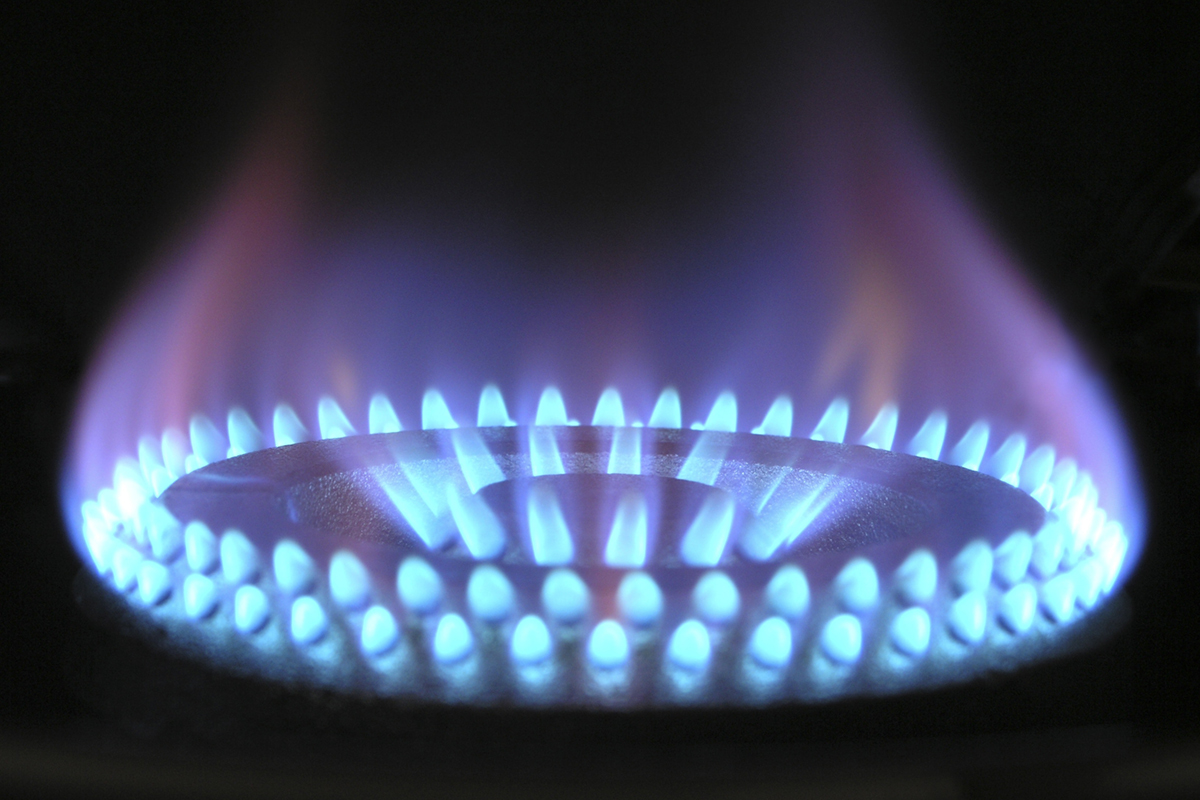
EarthTalk Q&A: I’ve heard that gas stoves are bad for indoor air quality, but what about gas furnaces and other gas-powered appliances typically found in homes?

Recent revelations about the negative effect cooking with gas can have on indoor air quality have given rise to new concerns about other gas-powered appliances. Credit: Pexels.

Natural gas is almost as ubiquitous an energy source in American households as electricity. Indeed, 48 percent of U.S. homes stay warm with gas-powered furnaces while 38 percent do their cooking with gas. But recent revelations about the negative effect cooking with gas can have on indoor air pollution has given rise to new concerns about other types of gas-powered appliances inside our homes as well.

Gas cooktops may be the biggest offender given how much pollution they throw off when we use them, but gas-powered ovens, water heaters, clothes dryers and fireplaces are also worthy of concern. Gas-powered appliances emit carbon monoxide (CO), a colorless, odorless gas that, when inhaled, can cause headaches, dizziness, nausea—even death in high concentrations. Modern furnaces and appliances have safety features to prevent dangerous levels from building up, but they can still emit small amounts of CO.

Another concern with gas-powered appliances is the emission of nitrogen dioxide (NO2). NO2 is a reddish-brown gas that can irritate the eyes, nose and throat. It can also exacerbate respiratory conditions such as asthma and bronchitis. Gas stoves are the primary source of indoor NO2, but gas furnaces and other gas-powered appliances can also produce it. Gas-powered appliances also emit particulate matter (PM), another type of indoor air pollution. PM is a mixture of tiny particles that can be inhaled deep into the lungs. Exposure to PM can cause respiratory and cardiovascular problems, particularly in vulnerable populations such as children, the elderly and those with pre-existing health conditions.

To minimize the negative effects of gas-powered appliances on indoor air quality, it is important to properly maintain and ventilate them. Regular maintenance, such as cleaning and replacing filters, can help ensure that appliances are running efficiently and emitting fewer pollutants. Additionally, proper ventilation can help remove pollutants from the air. Ventilation can be achieved by opening windows or using exhaust fans that vent to the outside.

Another option for reducing indoor air pollution from gas-powered appliances is to switch to electric varieties instead. Electric stoves and furnaces do not produce CO or NO2, and they emit far less PM than gas appliances. While electric appliances may have higher upfront costs, they can be more cost-effective over time due to lower operating costs and reduced maintenance needs.

If you are designing a new home from scratch, it’s a no-brainer these days to choose appliances powered by electricity not gas. But most of us don’t have that luxury, and it’s not easy to decide if it’s worth the expense and hassle of switching out an old gas-powered appliance with a shiny new electric one. The bottom line is “if it ain’t broke, don’t fix it” as swapping out an old one for a new one generates more pollution overall thanks to the lifecycle costs of manufacturing. But if your old appliance has reached the end of its useful life anyway, changing to an electric one may well be the best move.

*Note: This EarthMonth Earth Talk is taking over my website in order to educate my readers on climate change and our environment. Get up to speed with this epic series.

CONTACTS: Gas stoves can generate unsafe levels of indoor air pollution, vox.com/energy-and-environment/2020/5/7/21247602/gas-stove-cooking-indoor-air-pollution-health-risks; Gas stoves pose health risks. Are gas furnaces and other appliances safe to use? /yaleclimateconnections.org/2023/03/gas-stoves-pose-health-risks-are-gas-furnaces-and-other-appliances-safe-to-use/.EarthTalk® is produced by Roddy Scheer & Doug Moss for the 501(c)3 nonprofit EarthTalk. See more at https://emagazine.com. To donate, visit https://earthtalk.org. Send questions to: question@earthtalk.org

Posted on Leave a comment

5 Things To Consider Before Getting Your Residential Solar Panels, It’s Simpler Than You Think

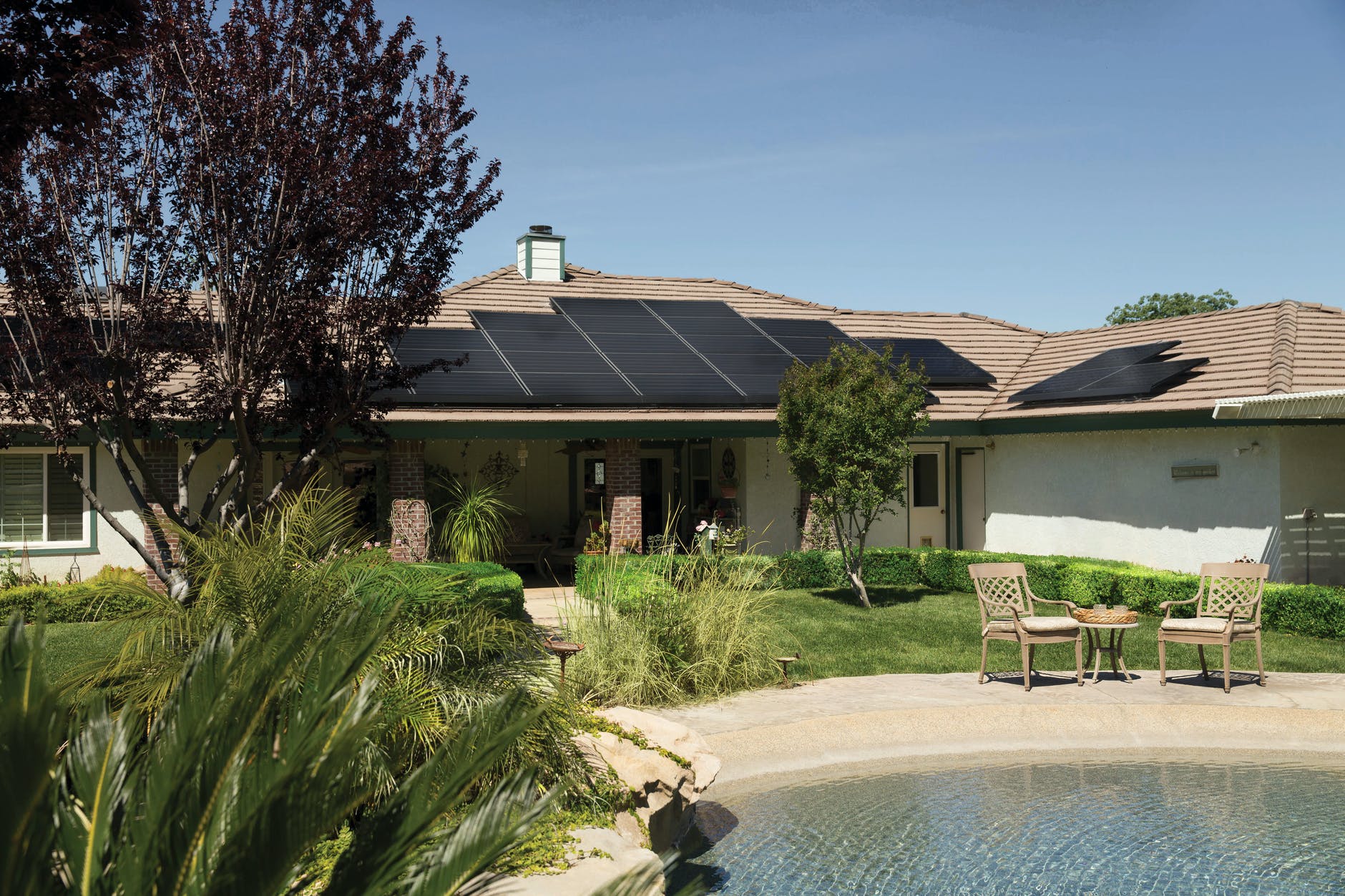
black solar panels on brown roof
Photo by Vivint Solar on Pexels.com

By now, many of us have read, or heard about, the Intergovernmental Panel on Climate Change’s (IPCC) damning report on the state of the environment. On April 4, 2022- UN Secretary-General António Guterres’ made a public appeal to environmental leaders and the global community at-large, to hold leaders accountable for our climate issue. In his brief video, Guterres called for the swift implementation of renewable energy, in order to mitigate the rapidly accruing damages of greenhouse gas emissions, that stem from energy production.

The report came out a week after we installed our own residential solar panels. This is a huge win for our family as we push towards a more sustainable lifestyle. Over the past few years, I have come into an awareness that my desired minimalist, handcrafted lifestyle not only had a name, but a whole community — sustainable living — -and it’s very diverse in terms of ideas.

I often find that there are many people that have heard concepts surrounding renewable energy, zero waste living, and living off-grid but it seems out of reach or overly complex. However, it doesn’t have to be. One of the main ideologies of sustainable living involves everyone doing their part and giving space for our world will begin to recover organically.

What is renewable energy?

Renewable energy comes from natural sources like sunlight, wind, rain, plants, waves, and geothermal heat from the Earth’s core.

It’s good for the environment, good for you and cost-effective over time. 


The Biden-Harris administration has set a goal of creating a carbon pollution-free power sector by 2035. While some still feel that this is an ambitious goal, everyday citizens can make the decision to get the balls of change rolling, and solar energy is a great start.

Residential solar energy is a way to reduce skyrocketing big energy costs and can quickly advance your sustainable goals and help improve our environment. Homeguide.com, residential panels can run from $10,000-$27,000 after the tax incentive. For many people, especially from low-income and marginalized communities solar panels will be a challenge for them to obtain. Even for middle class families, the expense can be too high. Thankfully, non-profits like Solstice Initiatives ,and the Black woman-owned WeSolar, are providing equity with community solar energy — no rooftop needed.

Photo by Jed Owen on Unsplash

If you do have a roof and you are excited to get started, here are 5 things to consider:

The Tax Credit. Time is ticking on the residential solar federal tax credit. The federal tax credit expires in 2024, unless Congress renews it. Currently, there is a 26% tax credit for homeowners. That decreases to 22% by 2023. According to Energy.gov, here’s how the costs are calculated:
For example, if your solar PV system was installed before December 31, 2022, cost $18,000, and your utility gave you a one-time rebate of $1,000 for installing the system, your tax credit would be calculated as follows: 
0.26 *($18,000 — $1,000) = $4,420 

If you are a homeowner and those savings matter to you, it’s time to get focused on making it happen.

Choosing the right company. Choose a company that doesn’t overcharge you upfront and essentially take away what you would be getting back in rebates. It’s always good to do your research and price compare. I would recommend no less than 3–6 months in order to do a deep dive into prices on the install, monitoring, and rebates. You can start here or if you are handy, go DIY.

Size matters. Bigger panels equals bigger savings. Which means more cost for you. You can expect to recoup the total cost 15–20 years down the line. But you will see the benefits in savings long before that. Also keep in mind, this is a season of legacy building. What you set up today is what you are leaving your family to improve upon and pass down for generations.

Understand your needs. Are you looking to cut costs on electricity or also have a battery back up? Tesla’s Powerall is an example of the battery backup system that gives you that near total independence you crave, but you will also need to buy their panels. You can’t purchase the Powerall as a standalone item.

Know the laws of your state because they vary. Solar panels may simply be a start for you. Maybe you want to DIY-it and go totally off-grid in the city. I would advise you to take a look at Primal Survivor. They’ve created an interactive map documenting off-grid laws in almost every state. Which is something to consider and also helpful in learning to manage your expectations with your solar setup.

I also hope that my fully transparent, lifelong pursuit of a sustainable life, will help ground some of the big ideas surrounding the environment and you can see where you fit inside the fight. This way of living ensures a good quality of life for all. In doing so, true change will emerge one family at a time.

Be sure to send me a message, or clap this story, if you found it helpful.