
Daily writing prompt
When you were five, what did you want to be when you grew up?


An Artist. Then I went on to pursue writing and drama. I did not know any painters.
I have had moments to live out that dream and anytime I engage it, it goes well.
An Artist. Then I went on to pursue writing and drama. I did not know any painters.
I have had moments to live out that dream and anytime I engage it, it goes well.
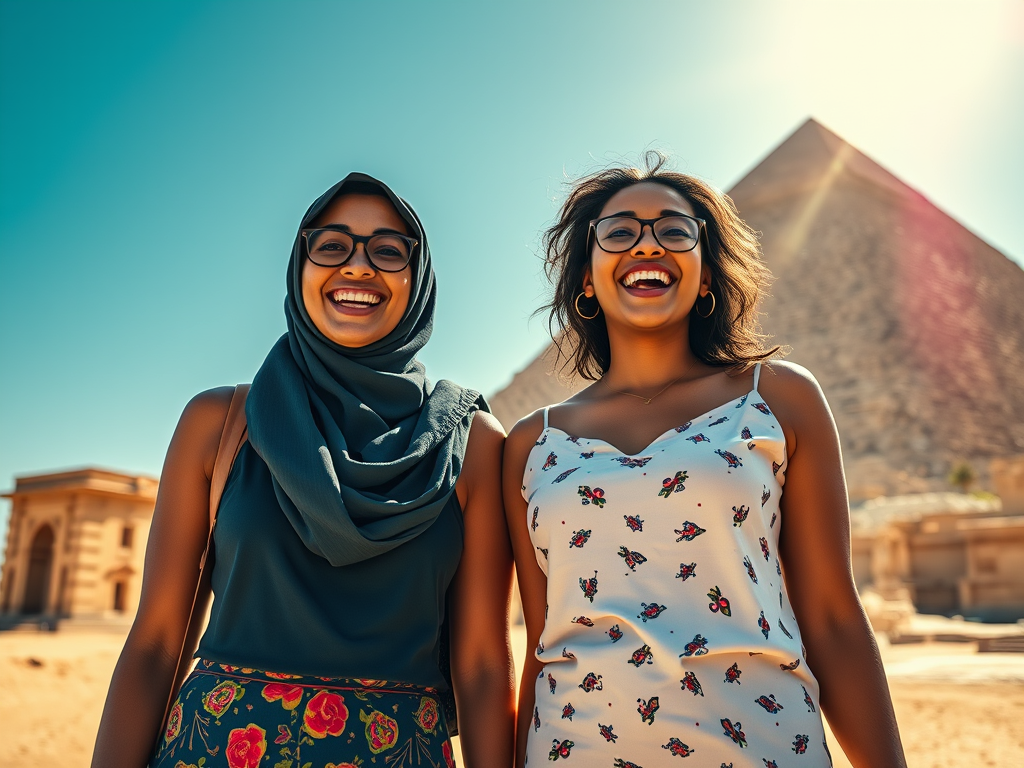

My middle name is Nicole. It doesn’t mean much to me, or at least it didn’t until I went to Egypt. I met a woman there named Nicole and we looked alike. The first thing she said when she saw me was, “wow, my sister how are you?” She told me her name, and I said I was Nicole too. She became our tour guide and took us off the beaten path. I saw where they hide the women. The women were busy working and having a ball. It was a good time. To this day, I have never met a Nicole I did not like. Nicole’s are very cool people.
I would never answer this question. It would guarantee that I would be asked it.
This will have to remain a mystery.

If I had to give my teenage self some advice, it would be to slow down. To be more selective. To be braver with my feelings and thoughts in person. Don’t keep everything bottled up and only on the page.
I would also tell myself that it’s okay to keep things to myself—to hold the things I love sacred, in my heart, and close to the vest. It is okay to trust others. It is okay to believe. It is okay to extend family to the friends who became your people.
I would tell myself that it’s okay to stay on your own path. All of your predictions will one day come true because, despite the lack of belief from some of the people closest to you, you hold the answers.
Lastly, I would say to my teenage self: you are beautiful. You are loved. You are stronger than you think you are. You are also a true original. You won’t be for all people. But there are people that are for you, be grateful for that. Don’t forgo new partnerships, relationships, ideas and generosity in exchange for what you think you should have–focus on your true champions and advocates. They will be your greatest blessings. Most of all, stay in the light, stay on the right side of things, and you will be alright. The thing that you don’t see coming is the perfect peace among other things that await you in the future. Don’t stress too hard.
My younger self desired acceptance, but the best and highest good is self-love. It is priceless. If you can relate to the power of a self-love journey please leave a comment. Like it, share it and subscribe.


Over the next six months, I have some big challenges staring me down. The kind that makes you double-check your coffee intake and your calendar. But oddly enough, I feel momentum building too. Like I’m about to shed an old layer of skin and step into something new.
I love a good transformation. Possibly a little too much.
There’s something about reinvention that feels like oxygen to me. I’m also someone who can fall deeply in love with solitude. Give me a quiet room, a project, and a little tunnel vision and I’m happy as a clam. I can disappear into my own world and thrive there. But without fail, life calls me back out. And honestly? That’s probably the secret sauce.
If you ever see someone who seems to be everywhere at once — building, doing, showing up — pause and ask how and why. There’s usually a system. Or a necessity. Or a deep internal refusal to sit still. I call it the hermit grind, and it can be amazing.
The challenges ahead of me are big, but not insurmountable. I don’t think this season requires brilliance. I think it requires consistency. One foot in front of the other. One day at a time. No dramatic over-analysis.
Because if there’s one thing that paralyzes me, it’s thinking too much instead of just doing the thing.

Case in point: working out.
I have a goal to hit by summer. A reasonable one. A doable one. But sometimes I spend more time researching “the best workout” than actually working out. I’ll contemplate the most optimal lifting split, debate the perfect walking route, and suddenly… I’ve done absolutely nothing.
My most complicated challenge right now? Committing to a three-mile walk.
I actually like walking. I just don’t like walking the same route. I also love lifting weights, which is great because I would happily pick up heavy things and put them down all day. Walking sometimes feels like the side dish I forget to eat.
The irony is that six months from now, I’ll probably reread this and laugh because it won’t even be an issue. But right now, it feels like one.
What I know for sure: I am not sedentary. I do not need punishing workouts that make me cry or see my ancestors. I worked out through three pregnancies. I snapped back. I have good genes and very reliable muscle memory. Thank you, body.
The downside? I can get lazy about it.
The upside? I know it’s non-negotiable.
I’ve also officially retired from my imaginary professional athletic career. After listening to Mike Tyson talk about how “disgusting” our diets are, I had a moment of clarity. I don’t need to be elite. I just need to be consistent.
Lift the weights. Take the walk. Call it a day.
And here’s the interesting part: when I engage my body, everything else flows better. I sew more. I create more. I feel sharper. Stronger. More like myself.
Maybe this next six months isn’t about conquering massive mountains.
Maybe it’s about movement.
Forward.
Simple.
Daily.
No overthinking. Just doing.
And maybe, just maybe, that’s the real transformation.
Protection is a strange thing. Most of the time, you don’t notice it until it’s gone. You don’t realize how much stability you live inside of until you move somewhere—say, an island—where the infrastructure falters and the basics you once took for granted suddenly feel fragile. In the United States, many of us move through our days with the quiet assurance that if we call the police, they will come; if our house catches fire, the fire department will show up. That sense of safety shapes how we live, how we move, and how we dream.
I write often about “getting in the game” because I know what it feels like to be talked out of your position. And I also know what it looks like when young people step into theirs. When I was in high school in Seoul, some of our friends were soldiers—enlisted, but still only eighteen. Kids, really. I remember the day they were deployed to war zones. The air shifted. We were suddenly separated by a reality they had to face and we didn’t. It was a moment that reminded me, in a way I could never forget, that freedom is not free. Someone pays for it. Someone’s child. Someone’s friend.
I was never in the military, and watching so many young people leave for war made it clear that it wasn’t my path. But I never forgot the price they paid. Whenever I can, I try to help people understand that the military matters. Protection matters. Being protected allows us to move through our neighborhoods, our country, and our homes with a sense of comfort. And when that comfort slips, even a little, we owe it to ourselves to pause, reassess, and recalibrate.
I also wish more people understood how multi‑layered the military truly is. It’s not just uniforms and ranks—it’s families, stories, sacrifices, and entire lifetimes of service. Two of the proudest moments of my life came from witnessing that up close. The first was at my grandfather CSM Calvin Morse’s funeral, when my grandmother was presented with a folded American flag after 56 years of marriage. The second was watching my stepfather be promoted to full Colonel and seeing my mother salute him. For the first time, I saw them as equals—two Lt. Colonels who had built a life together, standing in their shared accomplishment. His journey from private to Colonel was shaped by education, discipline, and taking every opportunity available to him.
When I write about education, culture, finance, or history, it’s because I understand how deeply the personal is political. As artists, writers, storytellers, and Americans, we shape the narrative for whoever is listening. We do it through dance, visual culture, books, music, and every creative form we touch. I hope we continue to protect our freedom of speech, even in this tense moment. Maybe that tension is part of what makes democracy so powerful.
I am proud of the people who keep going, even when the work is misunderstood or unseen. I know it’s hard. I know even soldiers want to give up sometimes. But they keep going.
And I’m proud of everyday Americans who haven’t given up either—who haven’t fled, who haven’t abandoned their communities, who continue to build and rebuild even when the odds are stacked against them. I’ve lived in other places, and the people were wonderful. But there is something distinct about the American fighter spirit. It’s stubborn, hopeful, relentless. And I’m proud to be part of that lineage.

If I could change one law, it would be this: every person who has completed their sentence should automatically have their voting rights restored. No paperwork. No petitions. No second punishment. While I am speaking about women, this doesn’t exclude men. I am simply reporting on a topic I have experience with.

Sources: Historical data 1854-1984
Addiction plays a major role in this. Women are more likely than men to be incarcerated for drug‑related offenses, and more likely to have experienced trauma, domestic violence, or homelessness before arrest. When addiction goes untreated, the criminal legal system becomes the default response, and mothers pay the highest price. Separation from children increases stress, relapse risk, and instability, all of which make reentry harder and recidivism more likely. I believe that anyone who has served their time deserves the right to vote, unless there are justified and extreme cases barring them from doing so.

Because voting isn’t just symbolic. For mothers, it’s a tool of stability. It’s a way to advocate for the services that prevent relapse, keep families together, and reduce the likelihood of returning to prison. It’s a way to participate in shaping the world their children will grow up in. And it’s a recognition that once someone has paid their debt, the state should not keep collecting.
Restoring voting rights after time served is not leniency. It’s alignment. A person still has to choose to exercise that right, but at least it is available. It matches our stated belief in rehabilitation, reintegration, and second chances. I have written about women receiving a second chance after incarceration before. With structure many people do well, that is a good thing. This is a Christian value that I hold that after you pay a penance, served your time, and rehabilitated yourself while incarcerated you can do good for society with civic duty.
No one has to remain in a victim state. But it is ok to acknowledge that some people were dealt a raw deal. Now is the time to educate the disenfranchised on how to participate in this new economy. Educate them so that they can educate their children. I am not an expert, but I am loyal to second chances, and I imagine most people would be if given a shot.
Data summarized from Incarcerated Women and Girls – The Sentencing Project.
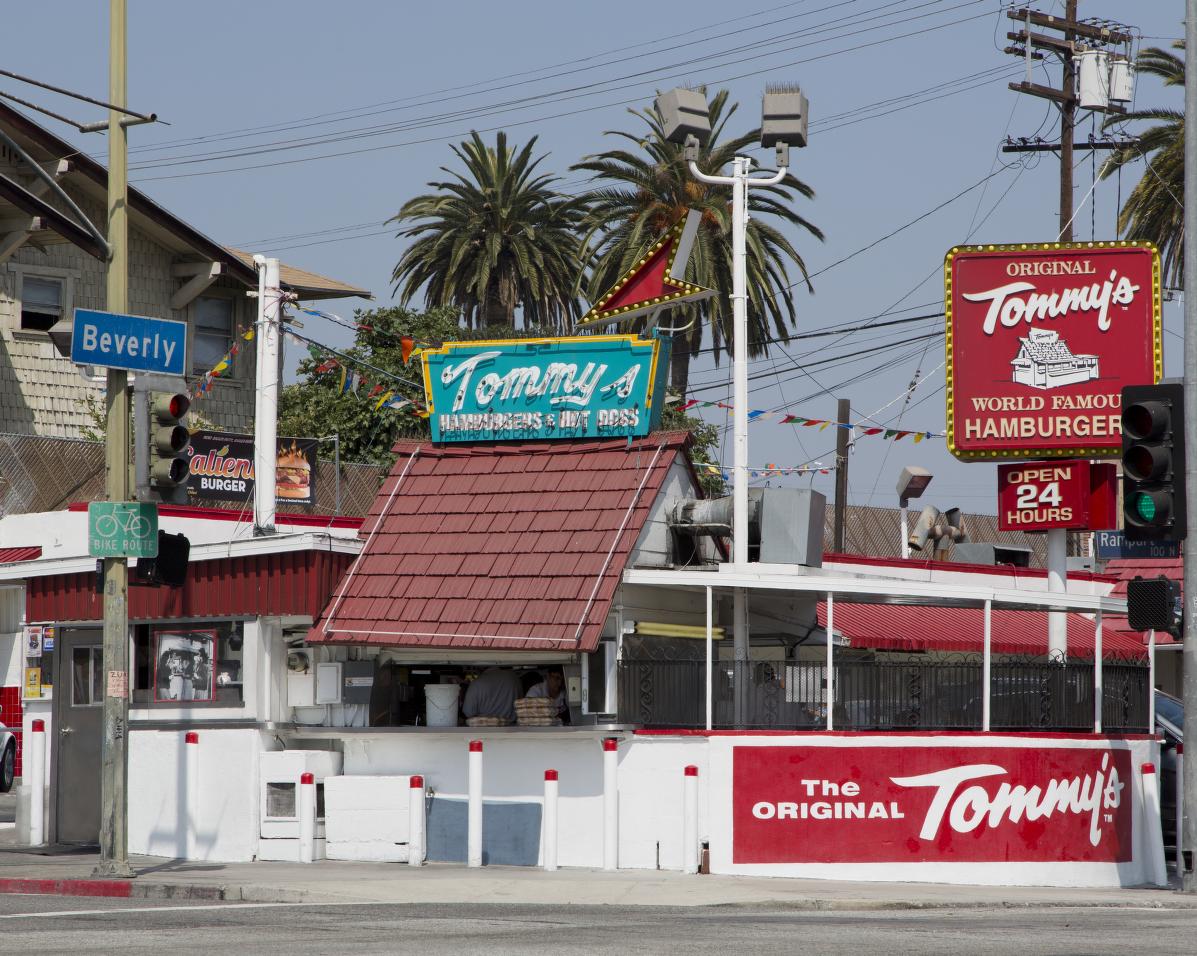
I love a good burger. As a matter of fact, I think I will get one today. It’s so simple, yet so delicious. When I think about the hamburger, it’s funny how something so ordinary can have such a long and surprising history. Today, burgers are everywhere, backyard barbecues, fast-food restaurants, and even fancy menus, but their story begins far from modern America and stretches back hundreds of years.
The idea behind the hamburger starts with people simply trying to make meat easier to eat. Long before buns and grills, Mongol warriors in the 13th century reportedly carried pieces of meat under their saddles as they traveled. The meat would become tender, making it easier to chew. While this sounds unappealing by today’s standards, it shows an early form of minced meat that later influenced dishes in Europe. Over time, this practice helped inspire foods like steak tartare and other chopped-meat recipes.
By the 1800s, minced beef had become especially popular in Hamburg, Germany. There, “Hamburg steak” was a common dish made from ground beef, usually seasoned and sometimes eaten raw or lightly cooked. It was affordable, filling, and practical—qualities that would later define the hamburger. When German immigrants traveled to the United States, they brought this dish with them, introducing Americans to the Hamburg steak through ports like New York.
In the U.S., the dish began to change. Americans preferred their meat cooked, and the Hamburg steak was soon grilled or fried instead of served raw. At some point, likely out of convenience, someone placed the meat between two pieces of bread. This small change made a big difference. Suddenly, the meal was portable, easy to eat, and perfect for workers who needed something quick and satisfying. This simple sandwich became what we now recognize as the hamburger.

Vergara, Camilo J, photographer. 535 The Famous Jimbo’s Hamburger Palace, Harlem
. New York United States New York State Harlem Manhattan, 2012. -09-16. Photograph. https://www.loc.gov/item/2020702864/.
There’s still debate about who exactly invented the first hamburger. Different towns and individuals across the United States claim credit, from fair vendors in the Midwest to diner owners on the East Coast. While the true origin may never be settled, what matters more is how quickly the hamburger caught on. By the early 20th century, it had become a staple of American food culture.
The hamburger’s popularity exploded with the rise of fast-food restaurants. Chains like White Castle and McDonald’s helped standardize burgers and make them affordable for almost everyone. These restaurants turned the hamburger into a symbol of speed, convenience, and modern life. For many people, grabbing a burger became part of everyday routine.
Today, the hamburger continues to evolve. From gourmet burgers with unique toppings to plant-based alternatives, it reflects changing tastes and values. Yet at its core, the hamburger remains a simple idea: seasoned meat, cooked and shared. Its journey from ancient traditions to a global favorite, shows how even the most familiar foods can have surprisingly rich and personal histories.
Write about a few of your favorite family traditions.

We love to snuggle and watch movies. I don’t know if it is a tradition but it’s fun to do. We love to watch movies together. We love it so much that we purchased a popcorn machine and bought a projector.
It’s showtime every weekend.

The past two months have been full of artistic adventures for our family. Two of my favorite highlights were taking my daughter to see The Nutcracker performed by the Chesapeake Ballet Company and spending a quiet afternoon wandering the National Portrait Gallery, one of my personal favorites. For MLK Day, we celebrated through movement by attending a powerful dance performance by Company Z and Baltimore Dance Tech at the Reginald F. Lewis Museum — a perfect fit for me since I’m such a fan of dance.

Azerbaijani singer Fatma Mukhtarova Photo in the Public Domain
I’ve actually never been to the Strathmore myself, but my daughter visited on a recent class field trip and came home excitedly reciting composers’ names and asking to hear more Beethoven. What I love about the Strathmore is how many enriching arts experiences it offers without requiring a big budget. It’s truly one of the cultural anchors of our region, and I’m looking forward to finally experiencing it in person soon. I’m also hoping to make my way to Afternoon Tea at the Mansion. It’s been on my list for a while. Additionally, about a month ago, I went to afternoon tea at Lady Camellia and I highly recommend it. It was pink and cute and the tea and sandwiches were delicious. It’s a wonderful way to spend a slow Saturday afternoon if you love tea. It may even be nice to make a date of both. Here are some cool things to know about Strathmore:
Upcoming shows I am looking at Katherine McPhee and David Foster. I saw bits of the show on Youtube and it looks like they are sharing a lot of the songs David Foster wrote for some of music’s biggest stars. I may catch a symphony as well and take my kids. It’s good to expose them early for their travels throughout the world.

When are you most happy?

When I think back to my fondest memories they all involve moments where I had little resources, yet somehow managed to give gifts, prizes, books, meals, etc., to others. It always makes me think about one of my greatest desires and carry overs from childhood–teaching people how to fish. Showing by example that they have what they need when they look around. Teaching the blessing of small things and watching it grow to big things, is one of life’s joys for me.

In 2019 I said I wanted to be a philanthropist. I was inspired by all the art I was making and I felt I could do anything. I still believe that. Some people may say, you can’t be a philanthropist and be a regular person. But I believe those are the best ones. They show others that you don’t need big infrastructure for a big heart, or even big giving. Things can always grow later on. But there is so much need in the world. It’s nice to be able to stay fluid and watch others smile.
I also like to simply live my life and share parts of it. I know that when people encounter a person just living differently sometimes it’s the greatest inspiration.
It’s the gift of small things. Kind of like the Christmas cookies we baked with my daughter on Christmas. They already came with a Santa Face printed on them. Simple and delicious. Did I make the dough from scratch and carefully do everything? No. Could I? Absolutely. I can do quite a few things but I have my own season I am stepping into. I am loosening my Martha Stewart style vice grip on domesticity and spreading out creatively.
The good news is that she made cookies with the neighbor and with her grandmother. One for Noche Buena and the other for Christmas. So there was love all around.
Maybe that’s another thing to consider giving. Maybe sharing those closest to you. Maybe it’s sharing time and even sharing space.
When I am giving I also get a bit tired, and I am learning that little dab is great. I don’t need to give the entire kit and caboodle. For me, the most important thing is building a life. It doesn’t take as much as you might think depending on your goals.
But back to sharing and giving:
What do you find the hardest to share? Time Space? Money? I would love to know.
Happy Holidays. May peace be upon you.

Who are the biggest influences in your life?

Men give interesting advice. I got alot from my uncles, brothers and males in my life. I have actually had a lot of father figures in my life and they’ve all been great. But it took me a very long time to appreciate my step dad’s advice.
After I failed my driving test two times in high school he said, “you need to spruce it up a bit before you go in the next time.” That was code for “use yor assets.” Needless to say, that advice worked. It actually always works. So I will always remind myself sometimes that ai have to “spruce it up.”
This is true but I hope you find it endearing. I did because my dad always gives cool advice.

What skills or lessons have you learned recently?

I use to have this skill mastered and it allowed me to live a robust life full of adventures and interesting people.
I love living a fluid life, and I hope that I pass on that free spirit to my children. It’s a big world out there, and we are too often confined to the spaces in our head or even our general locations. But, there is so much more.
I also apply that same mindset to people and situations. Some people and situations can gain second chances. Some relationships can be resurrected or opportunities revisted. Others were simply moments in time, life lessons and our greatest teachers and cannot go further than the time they were allotted.
The skill of discernment, and knowing when to move on in love, is necessary. When we do this with a loving spirit, we allow doors to shut, in order for God to grow and use us for the next mission.
The gift of moving on and opening up, is a gift I wish more people had. It’s the key to an abundant life. It’s the key to breaking chains in our lives. Life is a gift, lean into it.
Merry Christmas. Shalom. Felicidades. Peace Be Upon You.


I want to visit Dubai. To me, it’s the epitome of stunning architecture, a cultural melting pot, sleek shops, cosmopolitan style, and incredible food. I love watching interior design vlogs showcasing homes there, filled with some of the most impressive art I’ve ever seen—always eclectic yet elegant. I feel the same admiration for African design, especially the bold elements I’ve come across from South Africa and Ghana.
Here is another favorite.
 | Chiara "Luz" Atoyebi on Nicole. |
 | Albert E. Dogbe; a 2… on Nicole. |
 | Charli Renee on The Advice I Needed Back Then |
| Chiara "Luz" Atoyebi on St. Martin de Porres |
 | Enlarge My Heart in… on St. Martin de Porres |


