
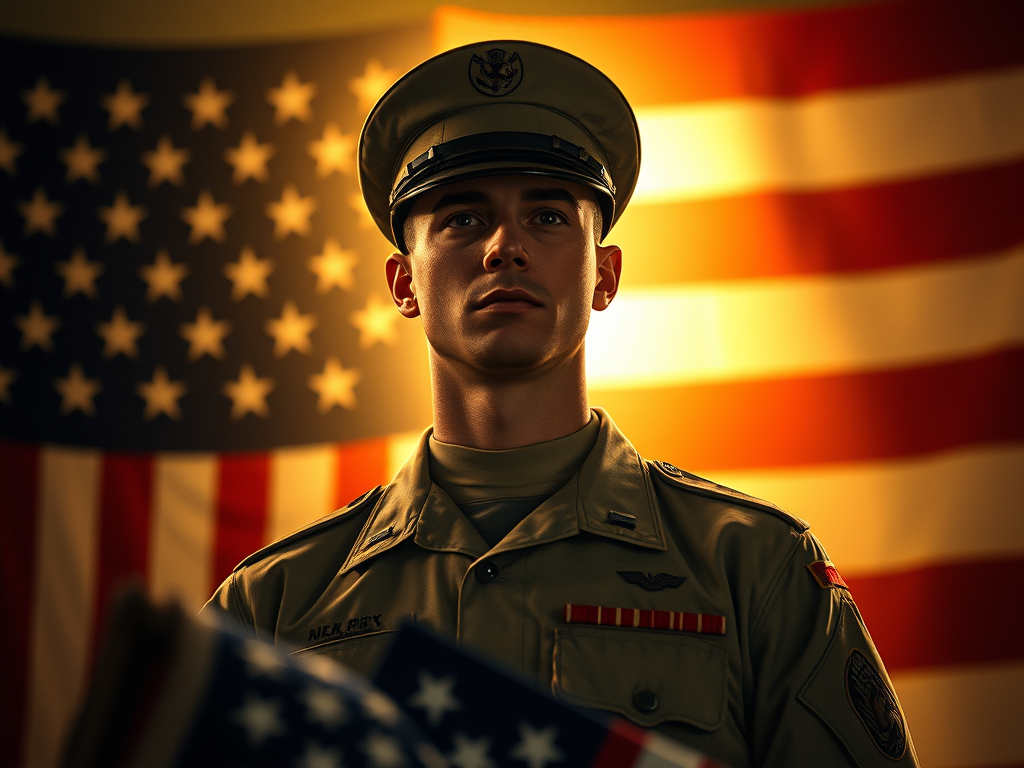


Protection is a strange thing. Most of the time, you don’t notice it until it’s gone. You don’t realize how much stability you live inside of until you move somewhere—say, an island—where the infrastructure falters and the basics you once took for granted suddenly feel fragile. In the United States, many of us move through our days with the quiet assurance that if we call the police, they will come; if our house catches fire, the fire department will show up. That sense of safety shapes how we live, how we move, and how we dream.
I write often about “getting in the game” because I know what it feels like to be talked out of your position. And I also know what it looks like when young people step into theirs. When I was in high school in Seoul, some of our friends were soldiers—enlisted, but still only eighteen. Kids, really. I remember the day they were deployed to war zones. The air shifted. We were suddenly separated by a reality they had to face and we didn’t. It was a moment that reminded me, in a way I could never forget, that freedom is not free. Someone pays for it. Someone’s child. Someone’s friend.
I was never in the military, and watching so many young people leave for war made it clear that it wasn’t my path. But I never forgot the price they paid. Whenever I can, I try to help people understand that the military matters. Protection matters. Being protected allows us to move through our neighborhoods, our country, and our homes with a sense of comfort. And when that comfort slips, even a little, we owe it to ourselves to pause, reassess, and recalibrate.
I also wish more people understood how multi‑layered the military truly is. It’s not just uniforms and ranks—it’s families, stories, sacrifices, and entire lifetimes of service. Two of the proudest moments of my life came from witnessing that up close. The first was at my grandfather CSM Calvin Morse’s funeral, when my grandmother was presented with a folded American flag after 56 years of marriage. The second was watching my stepfather be promoted to full Colonel and seeing my mother salute him. For the first time, I saw them as equals—two Lt. Colonels who had built a life together, standing in their shared accomplishment. His journey from private to Colonel was shaped by education, discipline, and taking every opportunity available to him.
When I write about education, culture, finance, or history, it’s because I understand how deeply the personal is political. As artists, writers, storytellers, and Americans, we shape the narrative for whoever is listening. We do it through dance, visual culture, books, music, and every creative form we touch. I hope we continue to protect our freedom of speech, even in this tense moment. Maybe that tension is part of what makes democracy so powerful.
I am proud of the people who keep going, even when the work is misunderstood or unseen. I know it’s hard. I know even soldiers want to give up sometimes. But they keep going.
And I’m proud of everyday Americans who haven’t given up either—who haven’t fled, who haven’t abandoned their communities, who continue to build and rebuild even when the odds are stacked against them. I’ve lived in other places, and the people were wonderful. But there is something distinct about the American fighter spirit. It’s stubborn, hopeful, relentless. And I’m proud to be part of that lineage.
Discover more from Chiara Atoyebi Media
Subscribe to get the latest posts sent to your email.


