Posted on Leave a comment

The New Federal Savers Match (2027) That Helps Moms Save for the Future, Even on a Tight Budget
For example:

The money is deposited directly into your retirement account rather than being claimed as a tax credit on your tax return.

  • Your total retirement investment becomes $3,000.

Posted on Leave a comment

The Summer of Lights: Painting

“A Night Among The Lights” Mixed Media, by Chiara Luz, 2026.

I am back painting. I am sharing the beginning of my summer series focused on what I call the Light Among Lights.

It is a section of a larger work. I will make some sections for sale.

Peace.

Posted on Leave a comment

Art Still Is Life

Daily writing prompt
When you were five, what did you want to be when you grew up?

An Artist. Then I went on to pursue writing and drama. I did not know any painters.

I have had moments to live out that dream and anytime I engage it, it goes well.

Posted on 2 Comments

Nicole.

Daily writing prompt
What is your middle name? Does it carry any special meaning/significance?

My middle name is Nicole. It doesn’t mean much to me, or at least it didn’t until I went to Egypt. I met a woman there named Nicole and we looked alike. The first thing she said when she saw me was, “wow, my sister how are you?” She told me her name, and I said I was Nicole too. She became our tour guide and took us off the beaten path. I saw where they hide the women. The women were busy working and having a ball. It was a good time. To this day, I have never met a Nicole I did not like. Nicole’s are very cool people.

Posted on Leave a comment

Top Book Picks for Level One Readers

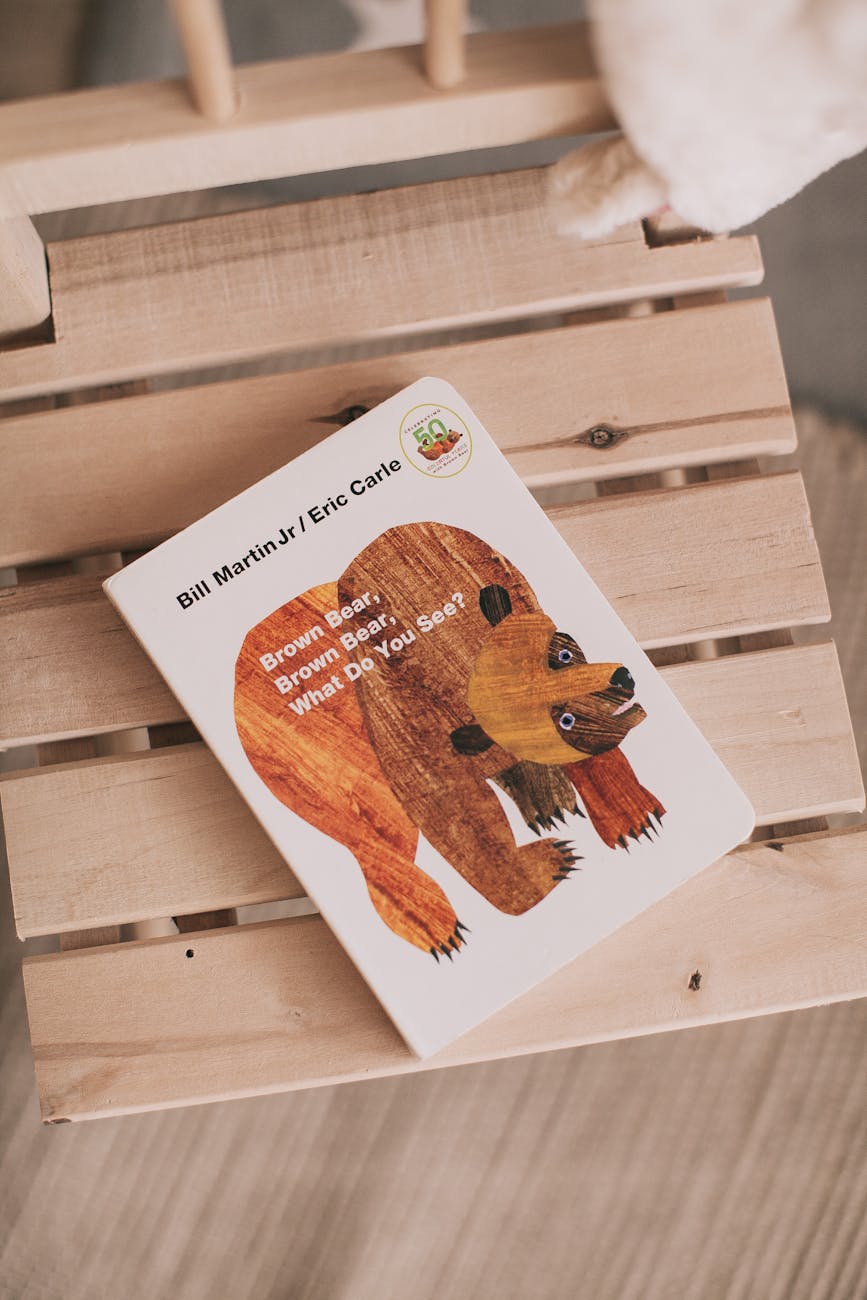
white book on wooden chair

These book recommendations are for level one readers, and they are curated to help your child prepare for the next year and stay on grade level. I used many of these with my own children. Some of these are no longer at the library and you may have to look on Amazon, but it is worth it.

white book on wooden chair
Photo by Lina Kivaka on Pexels.com

Autumn Leaves, by Gail Saunders-Smith

The Berenstein Bears in the House of Mirrors, by Stan and Jan Berenstein

Look What I Can Do, by Jose Aruego

My Book, by Ron Maris

My Class, by Lynn Salem

What Do Insects Do? by Susan Canizares

Reading Matters

As a writer, I believe deeply in literacy. The love of reading begins at a young age, and the ability to travel to different worlds, cities, and even moments in history is what fuels the imagination. I make book pillows for teachers each year, and the thing they’re most excited about is receiving new and interesting books for their classrooms.

A lot of kids simply lack the confidence to read and push past their mistakes. But that’s part of the process. It’s the same reason I push myself to learn other languages — for the challenge. It’s how we grow and get better. If you can read, you can learn just about anything.

More books posting soon.

Posted on Leave a comment

Exciting Changes Ahead: Join Our Journey

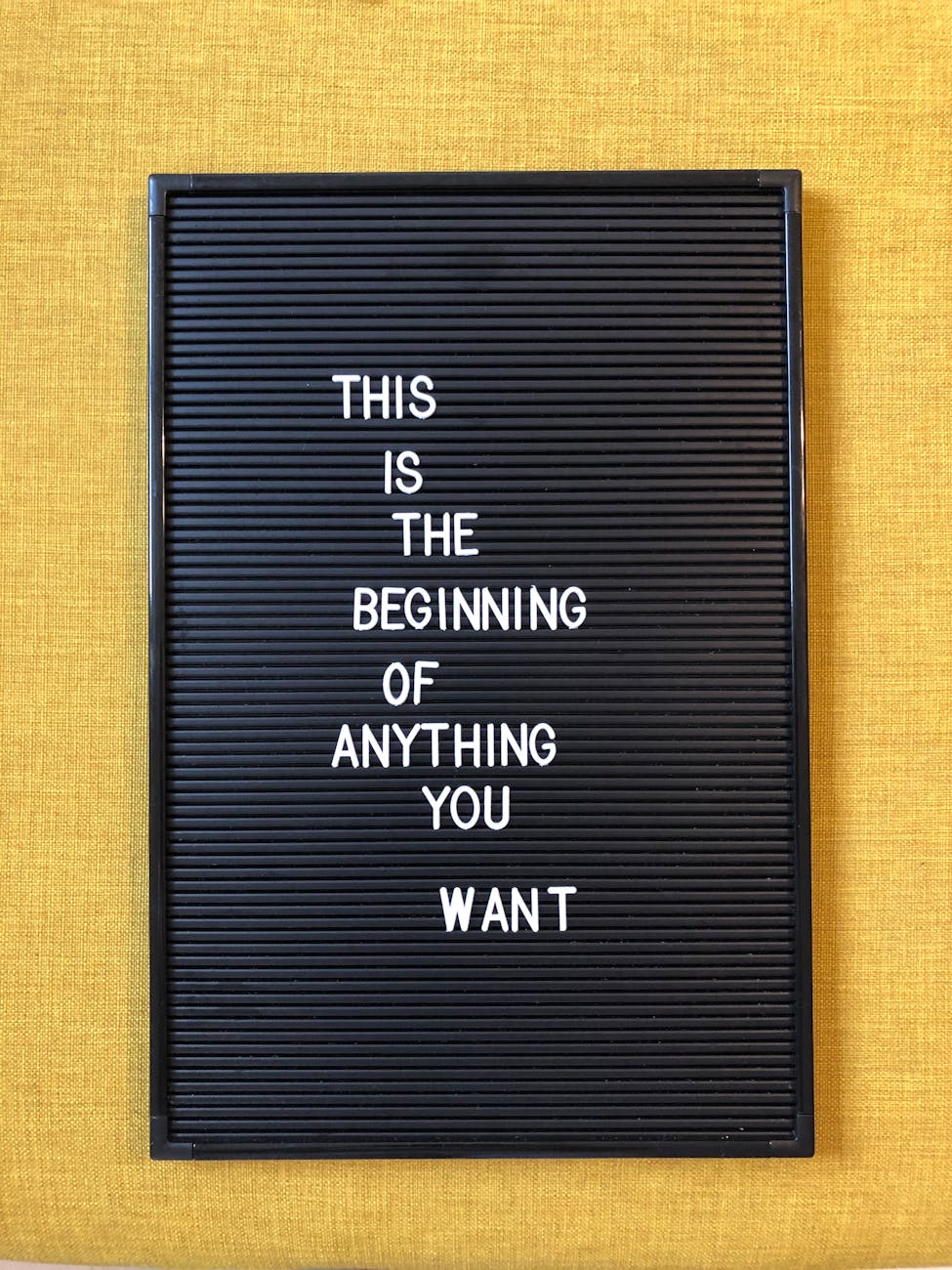
inspirational quote on black letter board

By Chiara Luz

inspirational quote on black letter board
Photo by Ana Miranda on Pexels.com

The site is undergoing a facelift soon and I thank you for being here. I want to add more voices here and revamp the interior a bit and get to some of the fun parts. I will need your help! Get your pens, computer, imagination and creativity ready and stay tuned. The subscription here says, “information is access,” we want that to hold up while we also add in some stories.

Moreover, I want you to find what you want and only what you want. Alot more will be local, because I am back in the studio (which is a separate site) and so many things are happening. Anyone who doesn’t believe that with a little elbow grease life can be ok, hopefully we can show you different. And in a time of stress and strength, a little love and peace is always a nice balance. We are the keepers of our community so why not make it great. I hope you will scroll along the side and click through and find something relevant for you. People respond differently when I tell them in person, but sadly, I can’t be everywhere at once and so you will have to read–I hope you do.

Stay tuned. Thanks for reading.

#America250 #MD250

Posted on Leave a comment

Shhhhh…

Daily writing prompt
What is one question you hate to be asked? Explain.

I would never answer this question. It would guarantee that I would be asked it.

This will have to remain a mystery.

Posted on Leave a comment

International Pancake Day At #IHOP: From Ancient Griddles to Your Local Restaurant

I love pancakes, how about you? International Pancake Day always sneaks up on us, but it shouldn’t. Few foods have traveled through history with as much charm, adaptability, and pure joy as the humble pancake. Today, we get to celebrate that journey with a short stack that’s doing what pancakes have always done best: bringing people together.

Today at your local IHOP, you can grab a free short stack until 8:00 pm if you dine-in. I think you’re supposed to purchase a coffee. This is also a day of fundraising for a good cause. IHOP runs a “Feeding the Hungry” initiative as part of its community giving efforts, partnering with Feeding America to help fight food insecurity across the United States. The campaign is best known during National Pancake Day, when guests receive a free short stack of pancakes and are invited to make a voluntary donation to support hunger relief. Every dollar raised helps provide meals to individuals and families in need through Feeding America’s nationwide network of food banks.

Beyond the one-day event, IHOP also extends its impact through everyday purchases like coffee. In partnership with its suppliers Royal Cup Coffee and Tea and Westrock Coffee Company, a portion of coffee sales contributes to a minimum donation goal benefiting Feeding America. Together, these efforts make it easy for guests to enjoy a meal — or even just a cup of coffee — while helping provide meals to communities facing hunger.

The good thing is, I love coffee and IHOP is pretty good. I am glad to also know that this is money well spent. Additionally, if you aren’t saving part of the “pancoin” club at IHOP, why not? You can get pancakes, merch, kid’s meals and you don’t need thousands of pancoins to get a return. Now that I know this about IHOP and I have participated in the program, I love it. I am glad it’s in my neighborhood. I hope it continues to thrive because the giveback is legitimate. Take your kids to IHOP before 8pm, get your pancoins and buy a cup of coffee –all while knowing you are feeding others as well.

The History of National Pancake Day and Its Roots in Shrove Tuesday

Long before IHOP turned pancakes into a national celebration, the tradition of dedicating a day to batter, flipping, and indulgence began in medieval Europe. Shrove Tuesday—known in many places simply as Pancake Day—falls on the day before Ash Wednesday and marks the final opportunity to enjoy rich foods before the fasting season of Lent. Households needed to use up eggs, milk, sugar, and butter, and the simplest, most satisfying solution was the pancake. The word shrove comes from “shrive,” meaning to confess, a reminder that the day once carried a spiritual seriousness even as it evolved into a joyful, food‑centered ritual.

Over centuries, the day grew into a cultural event. In Britain, where the tradition is especially beloved, Pancake Day became synonymous with friendly chaos: schoolchildren running pancake races, families debating toppings, and supermarkets selling out of lemons and flour. Tens of millions of eggs are cracked each year, and Guinness World Records have been set for everything from the highest pancake toss to the fastest flipping race. Today, both traditions coexist: Shrove Tuesday with its centuries‑old roots in reflection and resourcefulness, and National Pancake Day with its focus on joy, generosity, and gathering people around a warm plate.

Together, they tell a story of how something as humble as a pancake can carry history, culture, and community forward, one flip at a time.

Posted on 1 Comment

The Advice I Needed Back Then

Daily writing prompt
What advice would you give to your teenage self?

If I had to give my teenage self some advice, it would be to slow down. To be more selective. To be braver with my feelings and thoughts in person. Don’t keep everything bottled up and only on the page.

I would also tell myself that it’s okay to keep things to myself—to hold the things I love sacred, in my heart, and close to the vest. It is okay to trust others. It is okay to believe. It is okay to extend family to the friends who became your people.

I would tell myself that it’s okay to stay on your own path. All of your predictions will one day come true because, despite the lack of belief from some of the people closest to you, you hold the answers.

Lastly, I would say to my teenage self: you are beautiful. You are loved. You are stronger than you think you are. You are also a true original. You won’t be for all people. But there are people that are for you, be grateful for that. Don’t forgo new partnerships, relationships, ideas and generosity in exchange for what you think you should have–focus on your true champions and advocates. They will be your greatest blessings. Most of all, stay in the light, stay on the right side of things, and you will be alright. The thing that you don’t see coming is the perfect peace among other things that await you in the future. Don’t stress too hard.

My younger self desired acceptance, but the best and highest good is self-love. It is priceless. If you can relate to the power of a self-love journey please leave a comment. Like it, share it and subscribe.

Posted on Leave a comment

Outschool Review: Flexible Learning Options for Families

girl in pink and white shirt sitting beside brown wooden table
Photo by Julia M Cameron on Pexels.com

In today’s fast-changing digital world, education is no longer confined to traditional classrooms. One platform leading this shift is Outschool, an innovative online learning marketplace designed specifically for children and teens. This platform is for students who are home schooled, traditionally school, and anything in between. The classes have small ratios, they include one on one courses and are largely interest driven, although many adhere to common core standards. For me and my family, I’ve found Outschool to be not only a great platform to teach on, but also a wonderful place for kids to explore classes that genuinely interest them. It’s an excellent supplement to any educational program. I originally joined as a teacher, but I quickly realized it’s also a vibrant space for children to socialize, expand their knowledge, and build community.

What Is Outschool?

Founded in 2015, Outschool is an online platform that connects learners aged 3 to 18 with independent educators from around the world. Unlike conventional e-learning programs that follow a fixed curriculum, Outschool operates as a marketplace. Teachers design and list their own classes, and parents can browse and enroll their children based on interests, age range, schedule, and budget.

The platform hosts live, small-group classes conducted over video chat. These sessions are interactive rather than pre-recorded, allowing students to engage directly with teachers and peers. Class sizes are intentionally small, which encourages participation, discussion, and personalized attention.

What Subjects Does Outschool Offer?

One of Outschool’s biggest strengths is its diversity of topics. While it certainly covers core academic subjects like math, science, reading, and writing, it truly shines in enrichment and niche interests. Students can take classes in coding, creative writing, foreign languages, art, music, financial literacy, entrepreneurship, and even unique topics like mythology, marine biology, or game design.

There are also social clubs and ongoing classes, such as book clubs, gaming groups, and debate circles. This makes the platform appealing not just for academic growth but also for social interaction and community-building, especially for homeschoolers or children seeking peers with shared interests.

Who Is Outschool For?

Outschool is designed for families who want flexibility and personalization in their child’s education. Homeschooling families often use it to supplement their curriculum or outsource certain subjects. Traditional school families may enroll their children in after-school enrichment classes or summer learning programs. It’s also popular among parents looking to nurture a specific talent or passion their child may not be able to explore in a standard school environment.

Because classes are live and interactive, students who thrive in discussion-based settings tend to benefit the most. However, the variety of teaching styles available means parents can find classes suited to different learning preferences.

I can personally vouch for the language lessons, theater, art, gaming club, coding and science. Right now, Outschool is sending out civics’ lessons and materials to families who use the platform. My daughter is starting a self-paced Mars class this week, and I have found the gaming club to be a great way to socialize for introverts.

Maryland and FSA Funding, Why They Don’t Qualify

Maryland’s education system is built on a “public dollars stay in public schools” philosophy. The state does not offer ESAs, vouchers, or flexible education accounts, and it does not allow public funds to follow students into private, online, or supplemental learning platforms. Because Outschool is considered a private, parent‑selected enrichment marketplace—and Maryland does not fund private educational services—there is no legal pathway for families to use state money on the platform. In short, Outschool is ready, but Maryland’s funding structure isn’t designed for it. What do you think of that? Do you think your child could benefit from a supplemental learning space like Outschool? Let me also add, that most teachers have advanced degrees and a wealth of knowledge on any topic you can imagine. If you try it, let me know.

Posted on Leave a comment

Father Angelico: The Saint of Ash Wednesday

This past Wednesday my family and I participated in Ash Wednesday service and for some reason we left the church on an unusually high note. On our way to my son’s basketball practice, we were all very chatty and full of ideas. I have a feeling that this is going to be a very special Lenten season. Possibly even an artistic one. Could it be the blessing of Father Angelico?

Father Angelico, The Saint for Ash Wednesday

Ash Wednesday marks the beginning of Lent — a season of quiet return, of repentance, of remembering who we are. And there is no better companion for this threshold than Blessed John of Fiesole, known to the world as Fra Angelico.

Born around 1395 near Florence, Fra Angelico entered the Dominican Order and lived a life of prayer, humility, and artistic devotion. He didn’t preach with words — he preached with light.

His frescoes, especially those in the convent of San Marco, were painted not for fame but for the contemplation of his fellow friars. He believed that beauty could heal, that color could carry truth, and that holiness could be quiet.

How He Became a Saint

Fra Angelico was beatified in 1982 by Pope John Paul II, who called him the “painter of God.” Though not canonized as a full saint, his beatification recognized the sanctity of his life and the spiritual power of his art. His feast day is celebrated on February 18, making him a natural guide into Lent.

Patronage

Fra Angelico is the patron of Catholic artists — but more deeply, he is a patron of:

  • those who preach through beauty
  • those who live quietly and faithfully
  • those who seek God in color, form, and silence

He reminds us that holiness is not always loud. Sometimes, it is painted in layers. Sometimes, it is offered in stillness.

A Devotional for Father Angelico:

God of quiet beginnings, As I receive the ashes today, let me remember the beauty of repentance. Teach me to return not with fear, but with hope. Let Father Angelico’s quiet light guide me. Not to perform, but to be present. Not to shame, but to truth. Not to noise, but to You.

Since he is the patron saint of artists, he will be on my ofrenda this season in honor of his beautiful memory.

If you have a favorite saint, I would love for you to share it with me. Or you can write about it here on the site.

Posted on Leave a comment

Facing Life’s Challenges: A Six-Month Journey

Daily writing prompt
What is the biggest challenge you will face in the next six months?


Over the next six months, I have some big challenges staring me down. The kind that makes you double-check your coffee intake and your calendar. But oddly enough, I feel momentum building too. Like I’m about to shed an old layer of skin and step into something new.
I love a good transformation. Possibly a little too much.


There’s something about reinvention that feels like oxygen to me. I’m also someone who can fall deeply in love with solitude. Give me a quiet room, a project, and a little tunnel vision and I’m happy as a clam. I can disappear into my own world and thrive there. But without fail, life calls me back out. And honestly? That’s probably the secret sauce.
If you ever see someone who seems to be everywhere at once — building, doing, showing up — pause and ask how and why. There’s usually a system. Or a necessity. Or a deep internal refusal to sit still. I call it the hermit grind, and it can be amazing.


The challenges ahead of me are big, but not insurmountable. I don’t think this season requires brilliance. I think it requires consistency. One foot in front of the other. One day at a time. No dramatic over-analysis.
Because if there’s one thing that paralyzes me, it’s thinking too much instead of just doing the thing.


Case in point: working out.


I have a goal to hit by summer. A reasonable one. A doable one. But sometimes I spend more time researching “the best workout” than actually working out. I’ll contemplate the most optimal lifting split, debate the perfect walking route, and suddenly… I’ve done absolutely nothing.
My most complicated challenge right now? Committing to a three-mile walk.


I actually like walking. I just don’t like walking the same route. I also love lifting weights, which is great because I would happily pick up heavy things and put them down all day. Walking sometimes feels like the side dish I forget to eat.
The irony is that six months from now, I’ll probably reread this and laugh because it won’t even be an issue. But right now, it feels like one.
What I know for sure: I am not sedentary. I do not need punishing workouts that make me cry or see my ancestors. I worked out through three pregnancies. I snapped back. I have good genes and very reliable muscle memory. Thank you, body.
The downside? I can get lazy about it.
The upside? I know it’s non-negotiable.


I’ve also officially retired from my imaginary professional athletic career. After listening to Mike Tyson talk about how “disgusting” our diets are, I had a moment of clarity. I don’t need to be elite. I just need to be consistent.
Lift the weights. Take the walk. Call it a day.
And here’s the interesting part: when I engage my body, everything else flows better. I sew more. I create more. I feel sharper. Stronger. More like myself.
Maybe this next six months isn’t about conquering massive mountains.
Maybe it’s about movement.
Forward.
Simple.
Daily.
No overthinking. Just doing.

And maybe, just maybe, that’s the real transformation.

Posted on Leave a comment

Discover Paul Laurence Dunbar: Poet’s Legacy and Impact #TIH

Photograph of poem “We Wear the Mask” by Paul Laurence Dunbar in the Public Domain

Paul Laurence Dunbar was doing a lot before most people even knew his name. Born in 1872 to parents who had been enslaved, Dunbar grew up with stories, songs, and a deep love for language. By the time he was in high school, he was already writing poetry—and not quietly, either. He was president of his school’s literary society and editor of the school newspaper. Casual.

One of the most interesting things about Dunbar is that he was bilingual in a literary sense. He wrote both in standard English and in Black dialect. The dialect poems made him famous, but they also frustrated him. He once wrote, “I have grown sick of dialect poems,” because publishers often ignored his more complex work. Still, he mastered both forms, and that skill is part of what made him unforgettable.

If you’ve ever felt like you had to hide parts of yourself to be accepted, Dunbar gets it. His most famous poem, “We Wear the Mask,” says it plainly:

“We wear the mask that grins and lies,
It hides our cheeks and shades our eyes.”

That line still resonates more than a century later.

Alice Dunbar Nelson Image in the Public Domain

Fun fact: Dunbar worked as an elevator operator to support himself while writing poetry on the side. Another fun (and painful) fact he was only 33 when he died of tuberculosis. Yet in that short life, he published poetry, novels, short stories, essays, and had an interesting and tumultuous marriage to writer Alice Dunbar Nelson. The marriage between these two is filled with letters that could rival a soap opera but also was matched with the same volatility. Schuges of Washington, DC, Public domain, via Wikimedia Commons

Paul Laurence Dunbar wasn’t just a poet of his time—he was a poet ahead of it. His work reminds us that talent can bloom even under pressure, and that sometimes the quietest voices are carrying the heaviest truths.

Posted on Leave a comment

Is It Right For You? Modern Challenges and Opportunities in School Choice

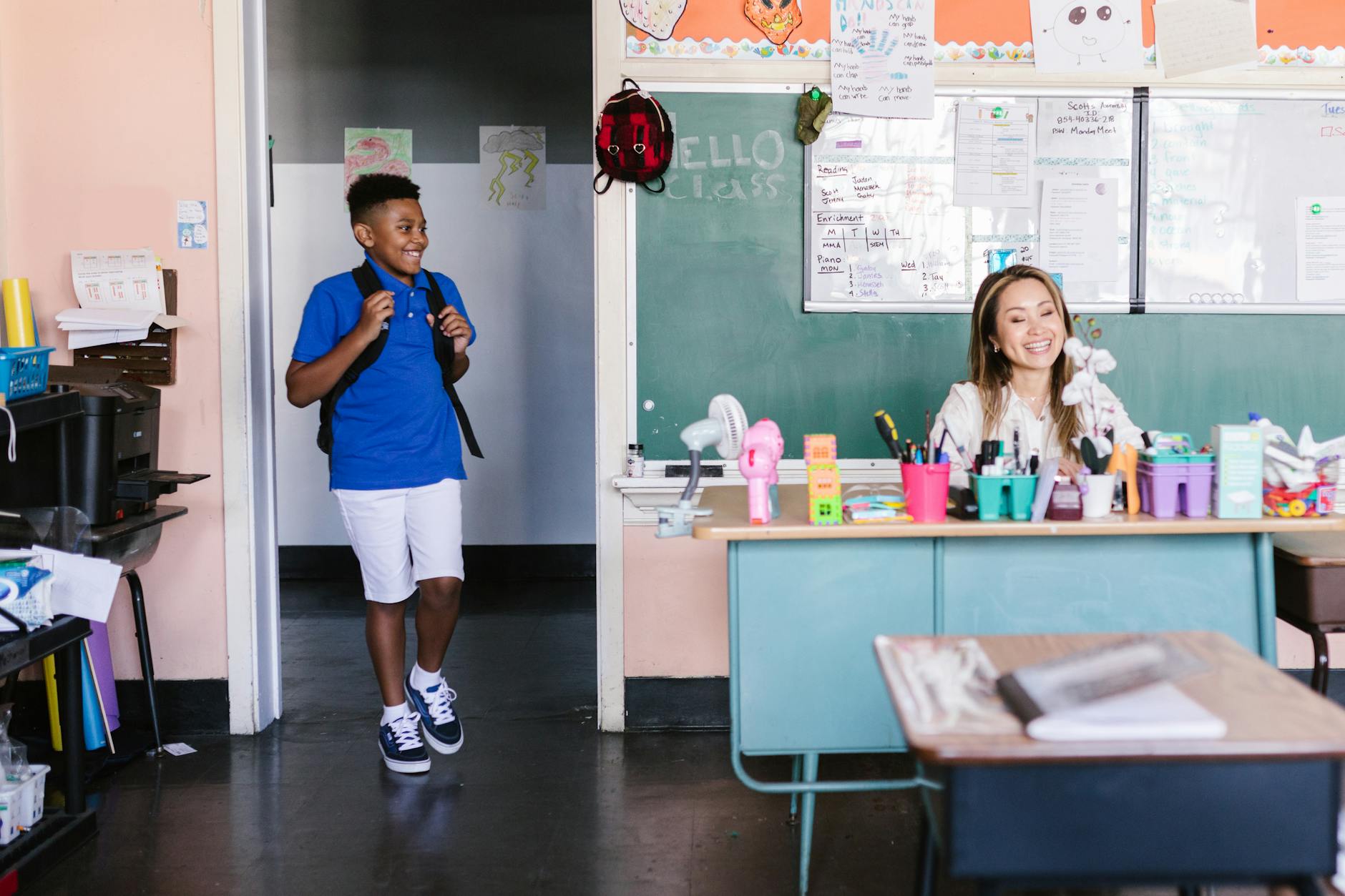
boy in blue shirt with black backpack standing on the doorway
Photo by RDNE Stock project on Pexels.com

If the country is moving to a merit-based society, that is great. However, there are some places that will need to modernize their infrastructure. But in the meantime, we like to get in motion as much as we can until the pendulum swings in our favor. 

As a child, my parents chose where we lived based on the school district alone. When my mother was just starting out in her career and had to work nights at the hospital, she would do something that I actually could not do: she would drive from the city to the suburbs—a forty-minute commute to Ann Arbor just so I could go to school where she felt I would get the best education. The irony was that there was a school right on the corner where my grandmother lived, but my mom wanted a school where I could be creative and thrive. I actually moved around quite a bit as a child, but each choice was made based on education. Admittedly, no one should have to deal with those extremes, but throughout history, parents have made sacrifices whenever they could to ensure their children’s success. Today, you have that opportunity with school choice—if that is the choice you would like to make.  It is not for everyone, but it is an option that could shore up a need for your child. Also, there are all kinds of reasons a parent may want to change their kids schools. Maybe their gifted, play an instrument, are inclined to science, or need special education; the list goes on. But I don’t personally believe you should be caged in for any reason. School choice is not solely economic to me, it’s about access and exposure because we all learn and thrive from each other.  

A Trajectory of Choice 

We often think of “School Choice” as a modern political debate, but in the 18th and 19th centuries, it was the only reality. Before the “Common School” movement of the mid-1800s, education was a decentralized tapestry. Families “chose” through homeschooling, private academies, or community-funded one-room schoolhouses. 

Notably, in many underserved communities, the most effective models were the women-led, Black-led schoolhouses. These weren’t just buildings; they were centers of self-determination where the curriculum was tied to the community’s survival and success. When the public system was eventually standardized, many of these intimate, effective models were lost in favor of a “one-size-fits-all” factory model. 

The Equity Gap Post-Brown v. Board 

The landmark Brown v. Board of Education decision was a victory for desegregation, but its failure was the lack of equanimity. We integrated the students, but we didn’t integrate the resources. Decades later, a child’s zip code still largely determines the quality of their school’s roof, the depth of their library, and the safety of their halls. 

This is where the agency of choice shores up the gaps. Choice should work both ways: we must invest tax dollars to build up and modernize our neighborhood schools so they become places of pride once again. But while that infrastructure is being rebuilt, parents need the “motion” of choice to ensure their child isn’t left behind in a failing building. 

Diversity as an Asset 

True diversity is not just racial—it is a diversity of thought, talent, and pedagogical approach. Some children thrive in a traditional classroom; others need a vocational-heavy environment or a specialized arts curriculum. When we allow funding to follow the student, we encourage a marketplace of ideas that benefits everyone. Choice isn’t a mandate; it’s an option that respects the diverse needs of the modern family. 

The Landscape in Maryland Today (2026) 

In Maryland, this “motion” is happening through programs like BOOST (Broadening Options and Opportunities for Students Today). As of 2026, BOOST provides scholarships to nearly 3,000 low-income students, allowing them to attend participating non-public schools that fit their specific needs. 

While Maryland is currently making historic $10 billion investments into public school modernization via the “Blueprint for Maryland’s Future,” the BOOST program acts as a vital bridge. It offers immediate relief and equity for families who can’t wait a decade for a building to be renovated. 

How it works in MD: 

  • Eligibility: Primarily based on Free and Reduced-Price Meals (FARMs) status. 
  • The Process: Parents submit Federal 1040 tax returns to verify income. 
  • The Outcome: The scholarship follows the student to an eligible private or community-led school, covering or significantly offsetting tuition. 

Education is the engine of a merit-based society. By supporting both our public infrastructure and the individual right to choose, we ensure that the next generation doesn’t have to drive forty minutes away just to find a fair start. 

Here are some tips:

StepAction Item
1. Find Your FundsCheck if your state has an ESA (Education Savings Account) portal.
2. Audit the FitVisit at least three schools. Look for “Shadow Days” where your child can attend for a day.
3. Verify LogisticsCan you handle the transport? Does the school offer after-care?
4. Watch DeadlinesMany choice programs require applications 6–9 months before the school year starts.