
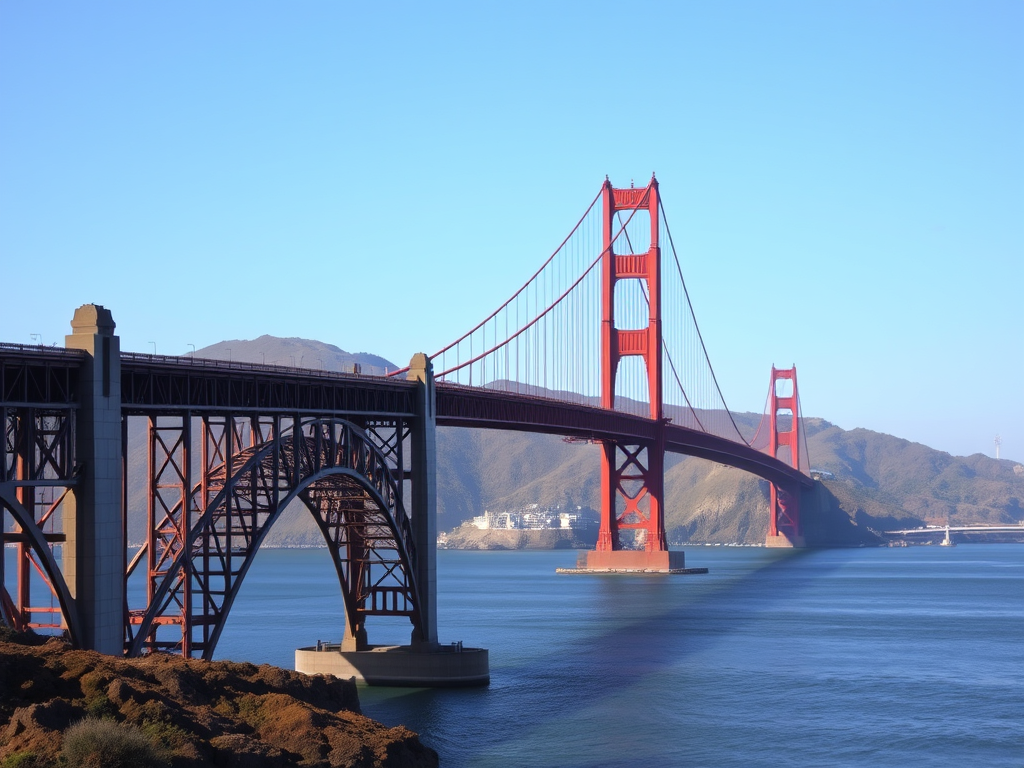
The Golden Gate Bridge and The Legacy of Connection

During the 1930s America was in the throes of a depression. This event, which was prompted by the stock market crash of 1929, had a global impact that affected millions of lives. This was a time of great suffering and Americans, were looking for answers, stability and a pathway forward. In essence, people were looking for jobs in order to renew their sense of purpose and restore hope in the future–they needed something to bridge the gap. It was a perfect time to build a bridge. Bridges are more than just physical structures; they serve as symbols of human ingenuity and resilience. They not only connect lands but cultures and communities, while playing a pivotal role in shaping their identities.
America would soon get it’s symbol during the summer of 1937. One that assured it’s resilience and hope for the future. On May 27, 1937, San Francisco’s Golden Gate Bridge was officially opened.
This monumental endeavor that was ushered in by a week-long fiesta where more than 200,000 pedestrians paid twenty-five cents to walk its newly constructed 8-mile street. The bridge was erected during the Great Depression and came at a time where unemployment was high and morale was low. These much-needed jobs were ones where not only satisfying but deeply gratifying to those that worked on them.
The Golden Gate Bridge stood as a testament to the determination and spirit of the American people, providing jobs and instilling a sense of pride and accomplishment. The bridge’s construction, was one of Franklin D. Roosevelt’s infrastructure deals that helped shape America and helped secure his legacy. It not only symbolized economic recovery, but also became a beacon of hope, promising a brighter future.
Discover more from Chiara Atoyebi Media
Subscribe to get the latest posts sent to your email.


