Posted on Leave a comment

Lorna Simpson: The Absence of And Fulfillment (C)olor

Written By: Chiara “Luz” Atoyebi

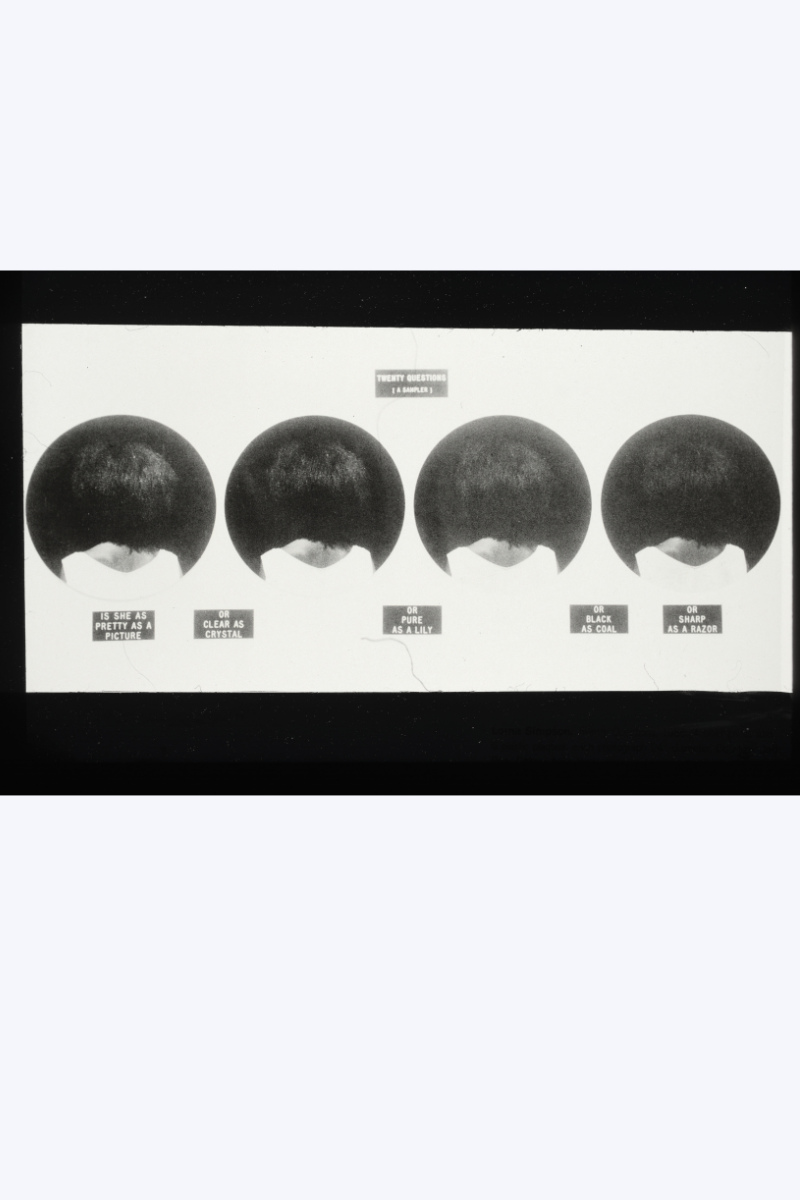
The 1980s will go down in history as a time that American’s were finding their true voice. Women, LGBTQ, communities of color, and women across the nation were demanding to be heard amidst the bullhorns of Reaganomics and conservative politics. The now-famous -pop art style of the ’80s that was signature to artists like Keith Haring, Andy Warhol, and Jean-Michel Basquiat depicted the various social issues of the time visually captivating images that utilized repetition as a technique or drew viewers in with their bold color palettes. These artworks and the artists themselves were making bold statements about the world we live in and made us ask questions. Somewhat on the outskirts of the (pop)-ular Pop Art movement were many African-American photographers making art that dealt with the obstacles of navigating race, gender, and sexuality in America. At the forefront of that effort was Brooklyn based artist Lorna Simpson. Simpson is a renowned multimedia artist and photographer whose work often explores themes of memory and representation, particularly in relation to identity, gender, race, and history. She gained prominence in the 1980s and 1990s with her photo-text installations, such as “Guarded Conditions” and “Square Deal,” which challenge viewers to think deeply about these issues. Simpson’s work frequently combines photography, film, video, painting, drawing, audio, and sculpture to create a multifaceted exploration of memory and history. She is known to juxtapose images with narrative text while encouraging viewers to look beyond surface appearances to consider the deeper implications of representation.

Simpson, Lorna. Twenty Questions (A Sampler) 1986. Photo in the Public Domain

Her work, similar to Baltimore based artist, Zoe Charlton ‘s work deals with debunking stereotypes concerning black men and women. Where Charlton is masterful with her pencil art, Simpson uses black and white photography to deconstruct the images of black women in order to show their many layers. In the absence of flash or color, the viewer focuses on the moment in which the subject exists with pretense.

In doing so, Simpson concludes there is nothing more “magical” about a black woman than in any other woman–at least upon first glance. Yet by honing in her in this way with out overly pronounced bosoms and backsides, she was able to draw attention to the sensuality in the mundane that is her body. She too, like every other woman—is a woman of many facets. One of the many ways the Simpson explores the body is through her work Memory and Representation.

The intimate portrayal created by the artist stands in stark contrast to other artists who aim to explore black women, their sexuality and their essence differently. For example, Kerry James Marshall’s untitled work Beach Towel displays a very vulnerable and seductive black woman on a beach towel in a backyard. Of course, Black women are also this representation as well, making it hard to over generalize and at times marginalize the body.

All of these images challenge the ongoing conversation of how African Diasporic women, and their images, show up in the world. 
Posted on Leave a comment

“What Is Ours?” A Group Exhibition presented by The Women’s Caucus for Art Washington, DC.

As many of you know this art journey has been my soul’s journey and serves as a well spring of healing. Especially when it is created among a sisterhood. Please join us for an evening of poetry and connection this September 8, 2022. The exhibition will be at the Sandy Spring Museum. There will be an open mic night and we encourage you to come through and speak your mind. Register: The Sandy Spring Museum. See you there!

Posted on Leave a comment

Civic Arts Presents An Inspirational Interview With Artist & Life Coach “MUSE”

An interview with Melissa “MUSE” Colon to liberate your mind

Melissa “MUSE” Colon is a certified life coach and artist who is also the creator of the popular Pep Talks Workshop. She is a newly minted mother of a month old daughter and in today’s interview she speaks with us about purpose, tribe, entrepreneurship, and the importance of community for women.

There are so many gems in this conversation–you won’t want to miss it. I definitely consider myself both a follower and friend of this very magical women.

*Before you click away from the page. Please be sure to scan the QR code or visit our link and give us some feedback on your creative life.

As always, I am here for you in the comments.

Peace be with you and enjoy,

Chiara

Posted on Leave a comment

The March of Dimes Just Released An Enhanced Training To Address Disparities in Healthcare, Just In Time For Black Maternal Health Week

Photo by Toro Tseleng on Unsplash

Things are looking up for mothers and babies in the fight to reduce chronic discrimination in healthcare, specifically in Obstetrics and Gynecology. Today the March of Dimes released its enhanced implicit bias training to address disparities in healthcare. The newly configured “Awareness to Action: Dismantling Bias in Maternal and Infant Healthcare™” available virtually as a 1.5-hour e-learning module or as a 3-4 hour in-person class. This module is released just in time for Black Maternal Health Week, which is recognized every year from April 11-17. 

According to the March of Dimes, “the U.S. remains among the most dangerous developed nations for women to give birth.” The latest 2021 March of Dimes Report Card shows Black, American Indian, and Alaska Native women and their babies, consistently have worse health outcomes than their white peers. Additionally, there are a few intersecting factors that contribute to these outcomes, such aas a variation in quality healthcare, structural racism, and implicit bias, to name a few. The good news is that these issues are being mitigated by raising more awareness and implementing equitable systems. The key to making substantive long lasting changes are rooted in policy, institutions, and by working in tandem with the communities they serve. 

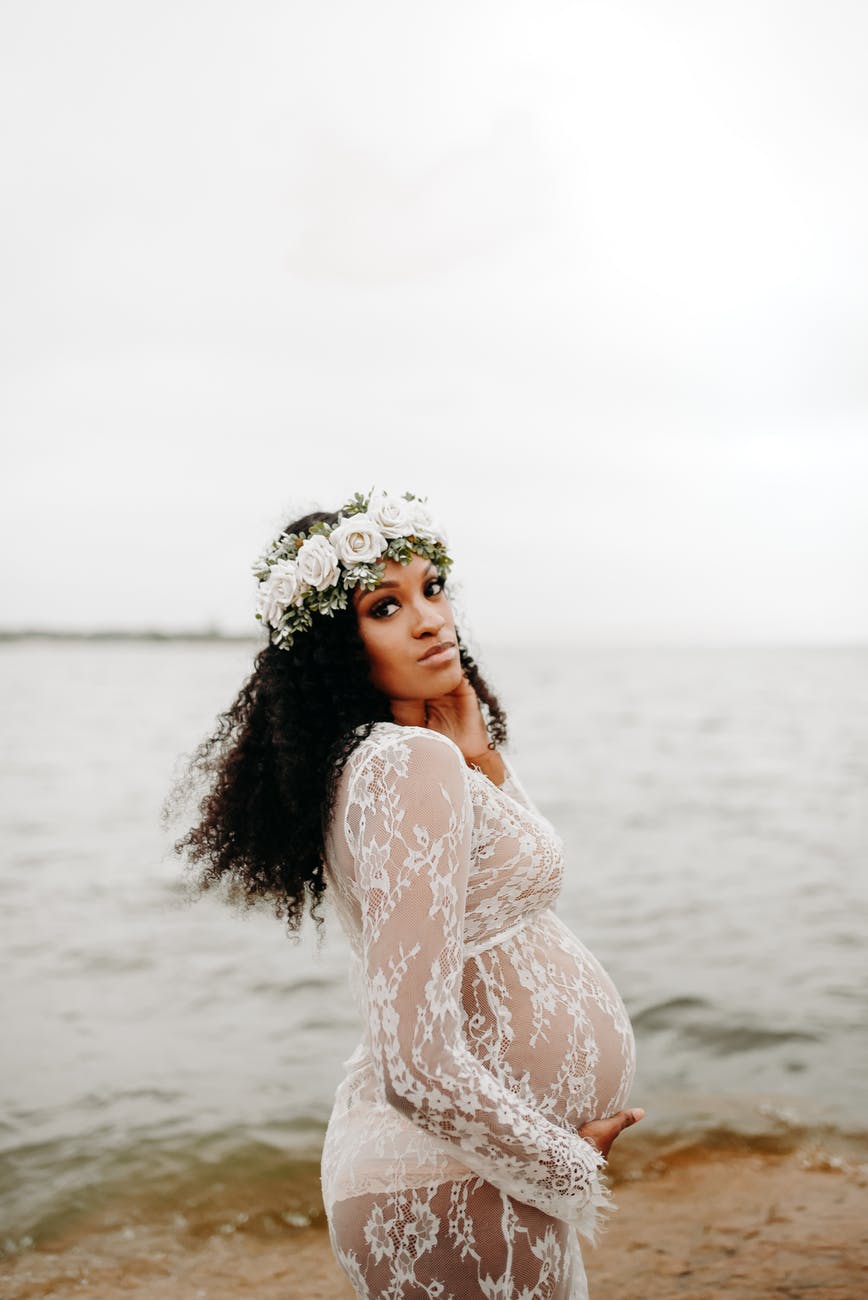
Photo by TUBARONES PHOTOGRAPHY on Pexels.com

What exactly is implicit bias? The Merriam-Webster dictionary defines implicit bias as a bias or prejudice that is present but not consciously held or recognized. We all have them, and they are typically created by our culture, rooted in our upbringing, and informed by the larger society. The danger is when healthcare professionals, knowingly or unknowingly,are affected by them and treat patients from a place of prejudice. Studies show that the outcomes of implicit bias can prove deadly. Ironically, these biases traverse across all races, gender, and socioeconomic status, while administering the harshest blow to women of color, which signifies a necessary and much-needed change at the structural level. 

The “Awareness to Action: Dismantling Bias in Maternal and Infant Healthcare™ aims to define implicit bias, describe structural racism, apply strategies, and commit to a culture of equity. 

I am among many African American women who have felt unheard, dismissed, and not taken seriously when relaying concerns to my physician during my pregnancy, and I had outstanding health insurance. Yet, I believe that not being heard attributed to my symptoms of depression during my first pregnancy and extended my postpartum symptoms long after. 

Thankfully, advocates like Black Mamas Matter Alliance are working hard to deepen the conservation around Black maternal health and work towards parity in treatment for women of color. Pregnancy is a time of excitement, and Black women can be made to feel as if motherhood is a burden. Disparities in healthcare stops now, and it will take all of us becoming more informed and knowing how to take action. 

For information on how you can get involved, get help, or raise awareness, you can visit:

“Awareness to Action: Dismantling Bias in Maternal and Infant Healthcare™” visit: marchofdimes.org/implicitbiastraining. 

CDC Black Maternal Health Week information: https://www.cdc.gov/healthequity/features/maternal-mortality/index.html

Doulas of Capitol Hill https://www.doulasofcapitolhill.com/blog1/2020/08/28/resource-guide-for-black-moms-in-the-dmv