
Written By: Chiara “Luz” Atoyebi

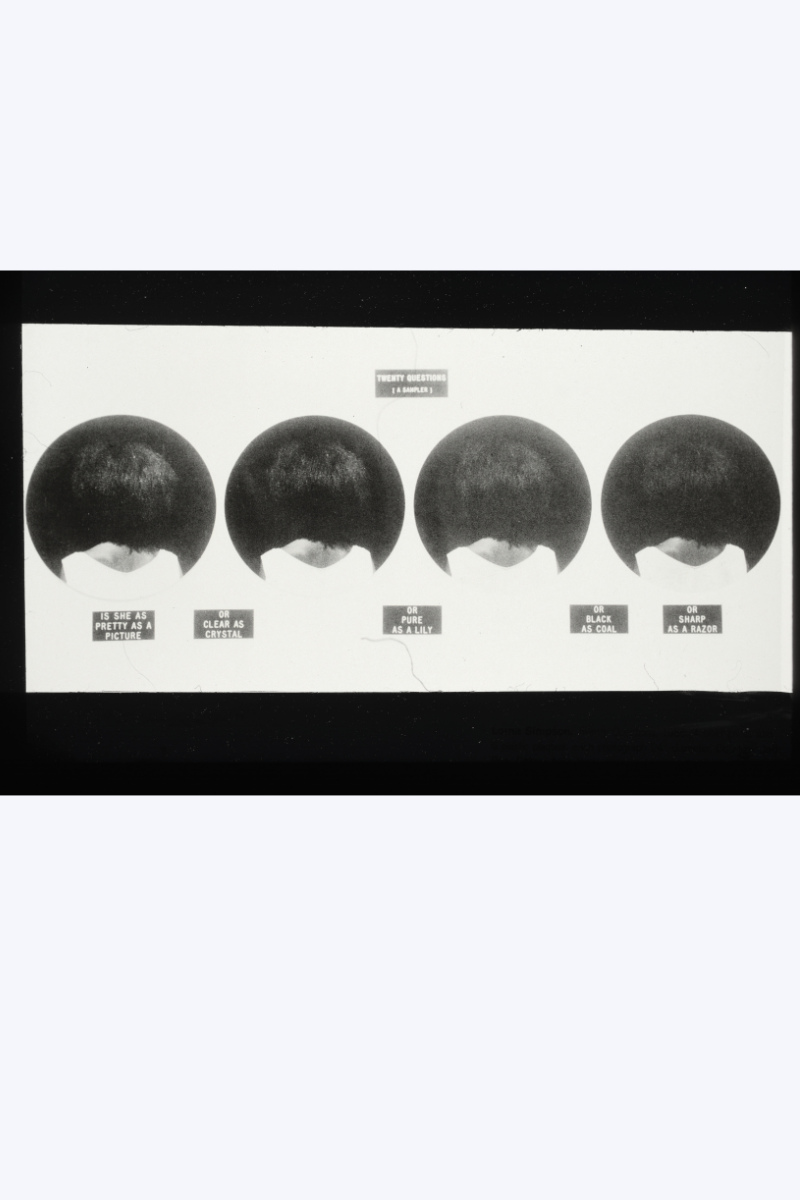
The 1980s will go down in history as a time that American’s were finding their true voice. Women, LGBTQ, communities of color, and women across the nation were demanding to be heard amidst the bullhorns of Reaganomics and conservative politics. The now-famous -pop art style of the ’80s that was signature to artists like Keith Haring, Andy Warhol, and Jean-Michel Basquiat depicted the various social issues of the time visually captivating images that utilized repetition as a technique or drew viewers in with their bold color palettes. These artworks and the artists themselves were making bold statements about the world we live in and made us ask questions. Somewhat on the outskirts of the (pop)-ular Pop Art movement were many African-American photographers making art that dealt with the obstacles of navigating race, gender, and sexuality in America. At the forefront of that effort was Brooklyn based artist Lorna Simpson. Simpson is a renowned multimedia artist and photographer whose work often explores themes of memory and representation, particularly in relation to identity, gender, race, and history. She gained prominence in the 1980s and 1990s with her photo-text installations, such as “Guarded Conditions” and “Square Deal,” which challenge viewers to think deeply about these issues. Simpson’s work frequently combines photography, film, video, painting, drawing, audio, and sculpture to create a multifaceted exploration of memory and history. She is known to juxtapose images with narrative text while encouraging viewers to look beyond surface appearances to consider the deeper implications of representation.

Her work, similar to Baltimore based artist, Zoe Charlton ‘s work deals with debunking stereotypes concerning black men and women. Where Charlton is masterful with her pencil art, Simpson uses black and white photography to deconstruct the images of black women in order to show their many layers. In the absence of flash or color, the viewer focuses on the moment in which the subject exists with pretense.
In doing so, Simpson concludes there is nothing more “magical” about a black woman than in any other woman–at least upon first glance. Yet by honing in her in this way with out overly pronounced bosoms and backsides, she was able to draw attention to the sensuality in the mundane that is her body. She too, like every other woman—is a woman of many facets. One of the many ways the Simpson explores the body is through her work Memory and Representation.
The intimate portrayal created by the artist stands in stark contrast to other artists who aim to explore black women, their sexuality and their essence differently. For example, Kerry James Marshall’s untitled work Beach Towel displays a very vulnerable and seductive black woman on a beach towel in a backyard. Of course, Black women are also this representation as well, making it hard to over generalize and at times marginalize the body.
All of these images challenge the ongoing conversation of how African Diasporic women, and their images, show up in the world.
Discover more from Chiara Atoyebi Media
Subscribe to get the latest posts sent to your email.


