Posted on — Leave a comment

Taste The Flavor of Good Chop 🥩

My First Box Delivery (Medium)

My delivery from Good Chop arrived the other day and it did not disappoint. First of all the delivery was seamless. And in this porch pirate climate, that is something that stands out.

My items arrived sealed tight and ice cold. Last night we made the burgers. I wanted to go outside and grill them, but it was freezing. It was a skillet adventure and it didn’t disappoint.

Just so you know, this is organic meat from American farms. Why does this matter? You would be surprised how much of our meat is imported. In 2022, the largest import of monthly beef came from  Brazil.  I am a believer in building up where I live,  since I have to live here. Besides, this was one of the most delicious pieces of ground beef I have had in awhile. I think that buying local is one of the best ways to build up your area. That’s actually how it gets done–with your actual dollars. I learned this from sitting on a few of my city’s committee’s.

Video of the box items for reference

I actually live around quite a few farms and I plan to bring my support even more local. I want to try Kosher butchers and vegetable CSA’s. I have known about this for years but the frugal person in me would never do it. Then I thought about how much I ran to Whole Foods and decided to run some numbers. The math more than worked out. I was also inspired to do this because I was part of a group that worked with Creation Justice Ministries. This ministry sees the beauty of the environment and preserving God’s creation and bringing about justice through small acts. 

Last summer, there was a talk I went to one time about “communion” and it framed the act of farm to table as an act of communion and community. It was such a beautiful concept that I felt like this is absolutely the way it should be. Why should we watch farmers on television talk about their needs when we can help them and ourselves. I personally believe that better quality leads to less waste.

QUALITY OVER EVERYTHING

A neighbor of mine grows tomatoes and served them to us at a party. Those tomatoes tasted like candy. I couldn’t stop eating them. These are not tomatoes I would waste. The watery tomatoes, maybe, not these.

Lastly, Good Chop added a few special gifts. I love gifts!

I am a mom of a son who is very into fashion. He is now into the quarter zip craze. Last week, it was Nike Tech, so I hope quarter zips are still relevant by Christmas. Good Chop just sent over a nice discount code from Collars & Co. This is a company that appeared on Shark Tank, and I am excited to see what it’s all about.

So tell me what you think? Are you ready to order?  Don’t forget to visit our shop for your faith-inspired clothing as well! These hoodies are so nice and thick. Perfect for cold weather  and we have more things coming.

It’s about transformation. With God all things are possible.

Happy Holidays!

Posted on — Leave a comment

The Benefits of Buying American Meat

After years of researching how to support local farmers and buy American meat, I finally purchased my first CSA and can’t wait to open it. While it’s not local to my state, I plan to get all my vegetables from nearby farmers, even if it means buying them off a truck. I believe in living as intentionally as possible and putting my money where my mouth is. My first box from Good Chop was reasonably priced, and once I make dinner, I’ll share my post. The goal is to pay a bit more, eat everything, cut down on waste, and trim the waistline. I have posted on this before. We shouldn’t have both waste and scarcity at the same time.

Why Buying American Meat Matters

When it comes to choosing meat, where it comes from makes a big difference. Opting for American-raised meat isn’t just about taste, it’s about quality, safety, and supporting local communities.

Quality You Can Trust

American meat is regulated by the U.S. Department of Agriculture (USDA), which enforces strict inspection and grading standards. Labels like Prime, Choice, and Select help you understand the quality and tenderness of your purchase. These safeguards ensure transparency and reduce risks often associated with imported meat.

Supporting Local Farmers

Every time you buy American meat, you’re investing in rural economies and family farms. Your purchase helps preserve farmland, sustain jobs, and strengthen local communities. It also reduces dependence on foreign supply chains, which can be vulnerable during global disruptions.

Better for the Environment

Buying domestic meat means shorter transportation routes, which lowers carbon emissions compared to imported products. Many U.S. ranchers also embrace sustainable practices like rotational grazing and humane animal care, making your choice better for the planet.

Taste and Traceability

American beef, especially Angus, is renowned for its marbling and flavor. When you buy local, you gain full traceability, from pasture to plate, and the confidence that comes with knowing where your food comes from.

Choosing American meat is more than a purchase it’s a commitment to quality, sustainability, and community. It delivers better taste, safer food, and a stronger local economy, all while reducing your environmental footprint.

Here are some other thigs to consider.

—Top Meat Stocks to Watch.

—Compare national Meat Shares.

—Up to Date Farm Policy Affecting Americans.

Posted on — Leave a comment

Our News Feed: Exploring UNESCO’s Impact on Cultural Heritage

Image by Khalifah ALHazaa from Pixabay

Thanks for sticking with us! We’ve added the UNESCO Heritage RSS feed to the bottom of “Our Current Media,” and we hope you’ll check it out as we continue our storytelling and crafting mission. What’s so incredible about UNESCO is how it ties into our values—faith, family, and folklore are all rooted in heritage. Growing up in different parts of the world shaped how I see life, raise my kids, and build my legacy. We’re the keepers of our traditions, and I hope you’ll subscribe to our upcoming heritage newsletter and feel inspired to create and learn, no matter where you are. And yes, we’ll definitely be featuring heritage from Maryland and across the U.S.

What Is UNESCO and Why Does It Matter?

The United Nations Educational, Scientific and Cultural Organization (UNESCO) was established in 1945 with a bold vision: to build peace through education, science, culture, and communication. Today, UNESCO works with 194 member states to protect cultural and natural heritage, advance inclusive education, and promote freedom of expression. Its flagship World Heritage program safeguards sites of outstanding universal value—from ancient monuments to biodiversity-rich landscapes—ensuring they endure for future generations.

UNESCO’s mission goes beyond preservation. It fosters global dialogue, sets ethical standards for emerging technologies, and advocates for cultural diversity as a cornerstone of sustainable development. In a world facing climate change, conflict, and rapid digital transformation, UNESCO reminds us that peace is rooted not only in treaties but in shared knowledge and cultural solidarity.

Image by Marisa04 from Pixabay

The Role of Heritage in Modern Society

Heritage is more than monuments or artifacts—it is the living memory of communities, expressed through crafts, traditions, and stories. Preserving heritage means protecting identity, fostering creativity, and inspiring innovation. In an era of globalization, heritage offers a sense of belonging and continuity, anchoring us in values that transcend borders.

Chiara Atoyebi Media: Crafting Stories That Matter

At Chiara Atoyebi Media, we believe heritage is not a relic of the past but a vibrant force shaping the future. Our commitment is to deliver heritage news, artisanal crafts, and legacy narratives that celebrate cultural richness while embracing modern storytelling techniques.

Through curated features, interviews with artisans, and explorations of cultural trends, we aim to:

  • Revive ancestral wisdom by spotlighting traditional crafts and practices.
  • Bridge tradition and technology through digital storytelling and immersive media.
  • Amplify underrepresented voices to ensure diverse cultural narratives reach global audiences.
  • Foster intergenerational dialogue so heritage becomes a shared experience, not a forgotten chapter.

Why This Matters for Our Readers

Our readers seek more than information—they crave connection. By aligning with UNESCO’s vision, Chiara Atoyebi Media offers content that inspires pride, curiosity, and responsibility. Every article, photo essay, and craft feature is designed to spark conversations about sustainability, identity, and creativity.

Looking Ahead

As we expand our coverage, expect deeper dives into UNESCO initiatives, profiles of heritage custodians, and stories that explore how culture adapts in a digital age. Together, we can transform heritage from a static concept into a dynamic movement—one that empowers communities and enriches global understanding.

Don’t forget to click on our current media and scroll down. You will find the UNESCO Heritage Feed. Enjoy.

Posted on — Leave a comment

Why Dubai Is My Dream Travel City

Daily writing prompt
What cities do you want to visit?

I want to visit Dubai. To me, it’s the epitome of stunning architecture, a cultural melting pot, sleek shops, cosmopolitan style, and incredible food. I love watching interior design vlogs showcasing homes there, filled with some of the most impressive art I’ve ever seen—always eclectic yet elegant. I feel the same admiration for African design, especially the bold elements I’ve come across from South Africa and Ghana.

Here is another favorite.

Posted on — Leave a comment

Daily Writing Prompt: Grocery Store Favorites

Daily writing prompt
List your top 5 grocery store items.

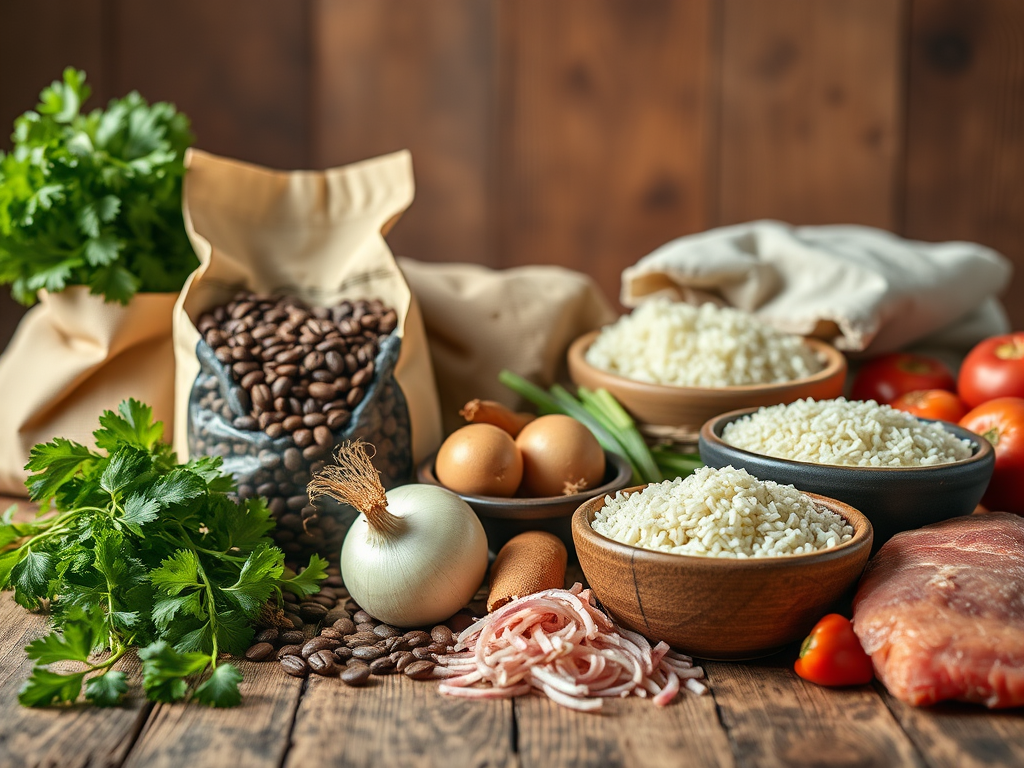
I will always have:

Cilantro

Coffee

Onions

Rice

Meat

I can work with those.

The end.

Posted on — Leave a comment

St. Bartholomew: Embracing Truth in Everyday Life

“You will know the truth, and the truth will set you free.” — John 8:32

There are moments in our lives where we seek out the truth. We need it. Even if we are the only ones to hold it. When you grab hold to it, it has the ability to break down barriers and walls. There is alot of rhetoric–but there is also a truth. In this moment we must be able to discern it. Let’s move forward with gratitude for the changes being made in this moment to right some of the wrongs in our lives. Let’s be thankful for tangible opportunities that our children can lay hold to in this moment. Let’s cultivate a heart of gratitude.

St. Bartholomew: Apostle of integrity and unwavering faith. His life reminds us that truth and courage endure beyond trials.

Historical Note

St. Bartholomew, one of the twelve apostles, is revered for his honesty and devotion. Described by Jesus as “a man without guile,” he symbolizes purity of heart and truthfulness. Tradition holds that he preached the Gospel in Asia and was martyred for his faith, often depicted with a flaying knife—the instrument of his death. His legacy inspires believers to live with integrity and courage.

Prayer:
Lord, help me to walk in Your truth today. Guard my heart from deception and give me courage to speak with integrity. May Your Word be my compass, and Your Spirit my strength. Amen.

Action Step:
Practice truth in love—choose one conversation today where you will speak with grace and honesty, even if it’s difficult.

Peace be with you always.

Posted on — Leave a comment

The Home for the Friendless: A Legacy of Women’s Empowerment

By Chiara Luz Atoyebi

The Chicago Home For the Friendless, Chicago Illinois, 1858. Image in the Public Domain

The Home for the Friendless: Origins and Mission

In the mid-19th century, Chicago was a city in transition—rapidly growing, bustling with commerce, and attracting immigrants and rural migrants seeking opportunity. Yet, beneath the promise of prosperity lay stark realities: poverty, homelessness, and social isolation. Industrialization and urbanization created a class of vulnerable individuals—particularly women—who lacked family support and financial security. It was in this climate that the Home for the Friendless was founded on March 18, 1858.

The term “friendless” was a poignant descriptor for those without family or social networks. The Home’s mission was clear: to provide shelter, care, and moral guidance to indigent women and children, many of whom were widows, unmarried mothers, or orphans. These women faced harsh judgment in Victorian society, where respectability was tied to marriage and domesticity. Without a husband or family, survival was precarious.

The Home for the Friendless offered more than a roof—it provided hope and dignity. Residents received food, clothing, and spiritual instruction. Children were placed in homes or trained for employment, while women learned practical skills to regain independence. This charitable work reflected the era’s ethos of benevolent reform, driven largely by women’s organizations and religious groups who believed in uplifting the “fallen” through moral and domestic education.

I wrote about the work of social reformers Jane Addams and Victoria Earle Matthews and their houses for women here.


Chicago in the Late 19th Century: A City of Contrasts

By the 1870s, Chicago had become a symbol of American ambition. The Great Fire of 1871 had devastated the city, but reconstruction brought modern architecture and economic dynamism. Yet, the fire also deepened social divides. Thousands were left homeless, and charitable institutions like the Home for the Friendless became lifelines for those who had lost everything.

Victorian ideals dominated social life. Women were expected to embody purity and domestic virtue, but industrialization blurred these boundaries. Many women entered the workforce out of necessity, challenging traditional norms. At the same time, philanthropy became a socially acceptable outlet for women’s public engagement, allowing them to exercise influence while reinforcing domestic values.

It was within this cultural framework that the Home for the Friendless thrived—and innovated.

(A large incentive for this article is based upon the idea of our food and food systems. More specifically, the removal of the highly deadly and dangerous ultra processed foods from our shelves and households.)


The Birth of the Cookbook: “Tried and True Recipes”

In 1874, the Home for the Friendless launched a bold fundraising initiative: a community cookbook titled “Tried and True Recipes. The Home Cook Book of Chicago.” Published by J.F. Waggoner, this volume compiled recipes contributed by women from Chicago and other towns. Its purpose was twofold: to raise money for the Home and to celebrate the culinary expertise of American women.

Why a cookbook? In Victorian America, cooking was more than sustenance—it was a marker of virtue and refinement. By producing a cookbook, the Home tapped into the domestic pride of middle-class households while creating a practical product that could circulate widely. The title “Tried and True” emphasized reliability, appealing to homemakers seeking tested recipes in an era before standardized measurements.

The book was a collective effort, reflecting the power of women’s networks. Contributors shared family recipes, regional specialties, and household tips. This collaborative spirit mirrored the Home’s mission: community support for those in need. Proceeds from sales funded shelter, food, and vocational training for residents, making the cookbook a tool of both culinary and social reform.


Impact on American Culinary Culture

The Home Cook Book of Chicago was more than a charity project—it was a cultural milestone. It helped popularize the community cookbook model, which became a staple of American life. Churches, schools, and civic groups across the country adopted this format, blending recipes with local identity and philanthropy.

The book also contributed to the standardization of home cooking. By presenting tested recipes, it offered consistency in an era when oral tradition and handwritten notes dominated. Moreover, it preserved a snapshot of 19th-century foodways, from hearty breads to elaborate preserves, shaping the American palate for generations.


Serving the Friendless: How It Helped Women

Funds from the cookbook supported programs that transformed lives. Indigent and unmarried women—often stigmatized as “fallen”—found refuge and purpose. The Home provided industrial training, teaching sewing, laundry, and cooking skills that enabled women to earn wages. For unmarried mothers, it offered a safe haven during pregnancy and assistance in placing children in adoptive homes.

This work was radical in its quiet way. At a time when social safety nets were nonexistent, the Home for the Friendless embodied the principle that charity could restore dignity. It also underscored the gendered nature of reform: women helping women, using domestic arts as instruments of empowerment.


A Taste of History: Iconic Recipes

The cookbook’s pages brimmed with dishes that defined Victorian kitchens. Here are a few that stand out:

1. Corn Bread

A staple of Midwestern tables, corn bread symbolized thrift and abundance. Its simplicity made it accessible to all classes, while its versatility ensured a place in both humble and festive meals.

2. Pickled Oysters

Before refrigeration, pickling was essential for preservation. Oysters, a delicacy, reflected aspirations of refinement even in inland cities like Chicago.

3. Election Cake

This spiced fruit cake, traditionally baked for civic gatherings, linked food to democracy. Its presence in the cookbook speaks to the communal spirit of the era.

4. Graham Gems

Whole-wheat muffins championed by health reformers signaled the rise of nutritional awareness—a precursor to modern wellness trends.

5. Preserved Fruits and Jellies

From peaches to currants, these recipes showcased domestic ingenuity. Preserving fruit was both practical and symbolic of abundance, reinforcing ideals of household competence.


Conclusion

The story of the Home for the Friendless and its cookbook is a testament to resilience, creativity, and community. In a city rebuilding from disaster, amid shifting social norms, women harnessed the power of domestic culture to address urgent needs. Their efforts fed bodies and souls, leaving a legacy that endures in the pages of American culinary history.

The Home Cook Book of Chicago was more than a collection of recipes—it was a manifesto of care, a bridge between private kitchens and public good. Through corn bread and election cake, through pickled oysters and Graham gems, it told a story of women who turned flour and sugar into instruments of hope.

Posted on

Devotional Prayer to Saint Juan Diego for Hope and Unity

Subscribe to continue reading

Subscribe to get access to the rest of this post and other subscriber-only content.

Posted on — 1 Comment

Understanding the Feast of Immaculate Conception

By Chiara Luz

AI Generated Image by the Author for The Feast of Immaculate Conception 2025

“Celebrating the Feast of the Immaculate Conception — a serene tribute to Mary, adorned with Turkish-inspired elegance and timeless grace.”

While many of my Marian histories, crafts, and news will be featured my website, The House of Maryam, I wanted to share the meaning of today’s feast to all. I like to shape my posts similarly to how you would find them at a Marian Basilica–filled with images, miracles and devotions.

Today is the Feast of the Immaculate Conception, celebrated on December 8, and honors the belief that Mary was conceived without original sin — a truth at the heart of Catholic faith. Declared a Holy Day of Obligation, it calls the faithful to pause and reflect during Advent, attending Mass in gratitude for God’s plan of salvation. Under this title, Mary is the Patroness of the United States, making this day especially meaningful for American Catholics. Though not a public holiday, its spiritual significance shines brightly, inviting us to embrace purity, grace, and hope.

This is my personal artwork and St. Francis altar. I will have images of Mary in my Woo Commerce shop for purchase this week.

All around the world, many people see Our Lady as the mother they never had or as an inspiration for living a good life. For anyone feeling uncertain, I encourage reaching out to her—like a mother with unwavering love and no judgment, her love can truly transform the heart. The journey itself is deeply personal, and that part is yours alone.

Peace be with you and your family.

Posted on — Leave a comment

Rolling in Style (and Savings): How to Score a U.S.-Assembled Ride & Pocket a $10K Tax Break

Listen, mama’s got places to be—school drop-offs, work hustle, maybe even a hot date if the stars align. So, when it’s time for a new car, why not make it work double duty for you?

Over here we like to be practical because the bills don’t care about our emotions. Besides, for anyone who desires to be a smart businesswoman or even a responsible citizen, we must know about are laws– and how to benefit from them. The time is now.

Here’s the scoop: If your shiny new wheels were assembled in the U.S., you can snag a sweet tax break—up to $10,000 a year on auto loan interest. Yep, that’s real money back in your pocket for gas, groceries, or that little black dress.

Why Go American-Assembled?

  • Jobs & Communities: You’re helping keep folks employed right here at home.
  • Tax Perk: It’s the golden ticket for that deduction.
    (Pro tip: Even brands like Toyota and Honda have U.S. plants—just check the “Final Assembly Point” on the sticker!)

Top American-Assembled Vehicles

These are some of the models that consistently rank at the very top for being assembled in the U.S. and having the highest percentage of U.S./Canadian parts:

Rank (by Index)Vehicle NameManufacturer/Parent CompanyU.S. Assembly Location Examples
Top TierTesla Model Y (SUV)TeslaFremont, CA; Austin, TX
Top TierHonda Passport (SUV)Honda Motor Co., Ltd.Lincoln, AL
Top TierTesla Model S (Sedan)TeslaFremont, CA
Top TierVolkswagen ID.4 (Electric SUV)VolkswagenChattanooga, TN
Top TierHonda Odyssey (Minivan)Honda Motor Co., Ltd.Lincoln, AL
Top TierToyota Camry (Sedan)ToyotaGeorgetown, KY
Top TierJeep Gladiator (Pickup Truck)StellantisToledo, OH

The Rules (Quick & Easy):

  • Car must be new and assembled in the U.S.
  • Loan started after Dec 31, 2024.
  • Personal use only (sorry, work trucks don’t count).
  • Deduction works even if you take the Standard Deduction.

Heads Up: High earners start losing the perk at $100K (single) or $200K (married).

Bottom line? Pick a U.S.-assembled car, claim your deduction, and keep that extra cash for the fun stuff.

Ok guys so one more time for the people in the back. Here are the rules:

$10,000 Auto Loan Interest Deduction Rules

  1. New Car Only
    • Original use must start with you.
    • Used cars and leases don’t qualify.
  2. Final Assembly in the U.S.
    • Check the “Final Assembly Point” on the window sticker.
  3. Loan Timing
    • Loan must start after Dec 31, 2024.
  4. Personal Use
    • Vehicle must be for personal use (not primarily business).
  5. Above-the-Line Deduction
    • Works even if you take the Standard Deduction.
  6. Income Limits
    • Single: Phase-out starts at $100K, gone at $150K.
    • Married Filing Jointly: Starts at $200K, gone at $250K.
Posted on — Leave a comment

Pediatric Brain Tumors: Understanding the Impact


More children die from brain tumors than any other cancer; those who survive must navigate a lifetime of side effects. The Pediatric Brain Tumor Foundation (www.curethekids.org/stay-connected) is the largest patient advocacy funder of pediatric brain tumor research and leading champion for families and survivors, providing patients, caregivers, and siblings with information, financial assistance, and a community of support from the moment symptoms start, through diagnosis, treatment, and beyond.

If you logged onto this site a few years back, you will notice that it has gone through several iterations. Initially this website began as a way to bring awareness to pediatric brain tumors and to share how I used art as therapy for my grief journey. I still do. In 2015, my 3-year old daughter named Calais, was diagnosed with a rare tumor called ATRT. At the time she was a perfectly healthy and an extremely active child–cancer was something we never saw coming.

How we got off our path 

When I took my highly active 3-year-old to a pediatrician’s visit, they wanted her weight to be slightly higher, and to have more protein because she was only drinking soy milk. I was told to add a protein drink like Pediasure if she isn’t drinking milk to make sure she was getting her protein and nutrients. Big mistake, it’s all sugar, and it’s the beast that fueled my fire for years after.  

My upbringing did not prepare me to deal with medicine as a parent. My husband often looked to me, and I didn’t always trust my gut–until it was too late. I can’t say sugar causes cancer, but cancer cells feed off sugar. According to Cancer.gov, roughly 1.9 million people will be diagnosed with Cancer in the United States. Education is something we all can benefit from. When you have a belief in something you need a community to keep you on the straight and narrow and to see you through. It’s important to educate yourself on your bloodline as well as your nutrition. One size doesn’t fit all in this area.

Although Calais was technically my second child and 17 months younger than her older brother, I often felt like I was still new and inexperienced as a mom. Especially living in Washington, DC, with a California mindset. As progressive as the city was supposed to be, I often felt talked down to as a Black mother. I shouldn’t have to defend myself or my parenting or be interrogated about things that have nothing to do with the situation. These factors made it hard to parent in general, coupled with the crippling and irrational sense of guilt I felt at being limited in my capacity to help my kids. Surprisingly enough, I lost all of those insecurities during our daughter’s cancer fight. I was empowered and present during her life and death situation. The doctors learned to respect me and often sought after my opinion, which must have been coming from the other side. To give you insight to the situation, I was using medical terminology that was correct. All that is gone now, however, in hindsight I realize I was helping my children more than I understood. My daughter said I was a good mother as her final words.

1.9 million people will be diagnosed with Cancer in the United States. Education is something we all can benefit from.

Going through approximately a decade of challenges made me question alot of things. I always thought to myself, God wouldn’t double down on us, would he? Yes, He would, and it showed me that people deal with even more while having little to no resources. 

My biggest regret has been having a level of knowledge that was ahead of its time and not always using it for myself. I was good for imparting it to others and not always able to apply it to myself when challenged by institutionalized mindsets. When you grow up around family members trained in the traditional medical system, you may receive a lot of pushback on ideas, treatments, and remedies that have no “scientific basis.” Today, many unproven folk practices are being recognized and investigated as treatments needed to cure illnesses. This is excellent news. Still, they all need funding in order to bring them to the masses and to allow for proper testing. 

 Get In Community

For me, a helpful group was Mocha Moms Inc. As a mother of color, you won’t find a better group of nationally organized, locally informed, and compassionate women who value family and children more.

During my daughter’s battle with ATRT, I went into overdrive making remedies and sending research papers to the oncologists to help her. Miracles were happening, and it was amazing. Our cancer journey took us from Washington, DC, to Philadelphia, and finally to San Francisco on a quest to discover a life-saving treatment. It was a constant emotional roller-coaster filled with countless heartbreaks and many triumphs. Eventually, she did leave us, but not without showing us a better way to live.

Brighter Days Ahead

When a parent loses a child, it can be hard to recover. I am grateful to God that I did, even though it took a minute. Thankfully, we have been given a second chance with our daughter Monarch. She is the only child I carried full term. I did pregnancy my way and remained primarily stress free. She is my veggie, yoga baby, whom I spent lots of time forest bathing and grounding with while pregnant. I even had her at advanced maternal age–so never stop believing.  

Before my daughter’s death, I lived a high-stress life full of people pleasing. That is not the case today. We raise our children differently than we used to. Even as Black children, I want them to be free-thinking, have a close relationship with the environment, and radiate with love. Never underestimate the effects of stress on you, and how it transfers to your children. These things matter. They used to call me a hippie and a flower child. Now, Black hippies are everywhere, and I am committed to a life of sustainability to the best of my ability while educating others as well. Just maybe, you can will be inspired to become more concsious and live a better life, starting today.

Posted on — Leave a comment

My Dream Home In The Mountains Over Looking the Water Surrounded By Trees

“May your home be a safe haven amidst life’s ebbs and flows.”

-Chiara Atoyebi

This past weekend I took a brief trip to the Adirondacks and then over to Manhattan and stayed in a hotel down the street from where I lived in Midtown. As I walked through the neighborhood and reminisced on all the amazing restaurants and bars I frequented, I thought to myself, “you were one lucky woman living here!” And as much as I love it, it was a great experience, but I don’t think it could be my forever experience.

Years before I lived in the city, I imagined myself living a life similar to the one I wrote about in my book Broken Heels. Well, I touched on it, but definitely not enough. Thinking about it now, reminds me of how I need to finish book two, which takes place in San Francisco. New York and San Francisco are my favorite places to live for two reasons. I love the density and the anonymity I feel in New York City, and I also love the architecture, hills, and water signature of the Golden City. However, when I think about my dream home, I know I can’t live in a concrete jungle unless there is a lot of foliage around.

So What Is A Dream Home?

In many ways, I live in my dream home. It’s not my dream location because I am not in the mountains nor am I near any water, but, I am surrounded by trees, parks, and greenspaces–all of which I love.

About two years ago, I was thinking that I wanted to live in Atlanta. I would get this sprawling home with a basketball court outside, two kitchens, a large foyer that I could look down on from upstairs, balconies, a sauna, an inground pool, a large studio for me, and six bedrooms for family and friends. With the home being so large I wanted it to also feel cozy and accessible as well. Doesn’t that sound wonderful? I think so too. But, it would still be a house, not a dream house. So what is the difference?

In my dream house, I would have all of the things I mentioned and then some. Plus, it would have to be in a warm location. Either, on a coast or in the Caribbean, so I can live in the hills and overlook the water. With a location like that, you don’t need much else. At least I don’t think so.

In my most recent thoughts about a dream home, I’ve thought about raising my youngest by the water. When I lived on the island of Saipan, I watched my students surfing, scuba diving, and studying marine life. The water was so natural to them that I hoped that when I started to have kids, I would raise them in this way. Technically it’s not too late, what do you think? Where is your dream home and when would you like to make your dream a reality?

At the end of the day, my true dream home is filled with peace, love, and laughter surrounded by a beautiful aesthetic–and that could be almost anywhere.

Posted on — Leave a comment

Billionaire Philanthropy: Penance, Power, or Pure Progress?

By Chiara Luz

person in gray shirt holding brown cardboard
Photo by MART PRODUCTION on Pexels.com

In a world where wealth is concentrated at the very top, the massive charitable efforts of figures like Jeff Bezos and MacKenzie Scott often spark a fierce debate: Are these acts of genuine goodwill and societal progress, or merely a sophisticated form of influence and tax avoidance?

The recent $102.5 million grant from the Bezos Day 1 Families Fund to homelessness charities provides the perfect lens to examine this duality.

The Two Sides of the Charitable Coin

Photo in The Public Domain Courtesy of Wiki Commons

Perspective One: The Structural Critic

Critics argue that this type of mega-donation, while offering immediate relief, is a distraction from the root causes of economic inequality. The tax advantages gained by donors—effectively subsidized by the public—mean the government misses out on revenue that could be used for long-term public programs. Furthermore, critics worry that by funding their own foundations, billionaires wield undemocratic power to set the national agenda, deciding which issues are solved and how. This transforms public needs into private priorities.

Perspective Two: The Force for Immediate Good

On the other hand, the tangible, immediate good achieved by these grants is undeniable. When large funds are deployed swiftly and strategically—as with the Day 1 Fund’s focus on moving families into permanent housing—they can create solutions at a scale and speed that bureaucracy and traditional fundraising simply cannot match. This money provides critical operational stability to local non-profits, allowing them to focus on service delivery instead of constant fundraising.


The Verdict: Providing Solutions For Those In Need Now

We can acknowledge the valid structural criticisms—the need for tax reform and a fairer system—while still celebrating the unconditional power of the gift itself. The truth is that some problems have been ongoing and it affects all of us. I don’t want the moment to be missed that would allow real help to come to those who have been asking even if it’s not the way we initially envisioned it.

Ultimately, those who accumulate extraordinary wealth cannot take it with them. When that wealth is distributed, especially in the form of “no strings attached” grants that allow experienced charities to execute their missions freely, it becomes a powerful mechanism for societal repayment.

Instead of waiting decades for systemic reform, immediate, massive, and strategic grants act as a form of penance to society. Why do I say penance? Nothing in life comes for free, and while capitalism might be a necessary evil in a democracy, it leaves casualties behind. Some of that harm can be addressed by channeling profits back into the communities that helped build and sustain those entities. This rapid injection of capital provides a life-saving lifeline to those in need right now. While we must continue to advocate for a more equitable system, we should champion giving that empowers grassroots organizations and directly solves crises like family homelessness.

A well-used dollar today is worth more than a promised dollar tomorrow. The true goodwill lies in ensuring that capital, regardless of its origin, is put to work immediately, effectively, and without undue control, giving hope and housing to those who need it most.

What are your thoughts? How do massive, immediate grants like this impact the day-to-day operations of local homeless service providers?

Posted on — Leave a comment

Embracing Resilience: Who Inspires You?

Daily writing prompt
What is something others do that sparks your admiration?

I admire people of conviction. People who watch the trends come and go and remain steady. I admire people who are wise and can pass on wisdom to others. I admire people who find the silver lining no matter what is happening all around them. I admire people with lived experience who come out of the trenches with glowing faces.

In life some people have an abundance of those people around them. Maybe they were born into circumstances where they didn’t have to do so much in order to get ahead or to stay alive. Maybe they weren’t constantly looking over their shoulder in a dog- eat-dog situation. Good for them, peace is the biggest leg up anyone can have in life. That’s why I admire people who, despite their circumstances, choose to lead and become the change in the lives of others.

I also admire people who can walk away from a thing. They may even come back at a later date. But strong people are not tied down to things so much. My personal belief is that we do all things unto the cause of love and for the glory.

In doing so, everything else comes into right standing.

In this life so many people want to take you off your square, but there are more that want to see you win. I like to call them hidden in the fog. We get one life, and I hope the choice is to do it right.