Posted on Leave a comment

Deck The Halls With Gingerbread Walls: Plus, The 14th Century Recipe!

By Chiara Luz

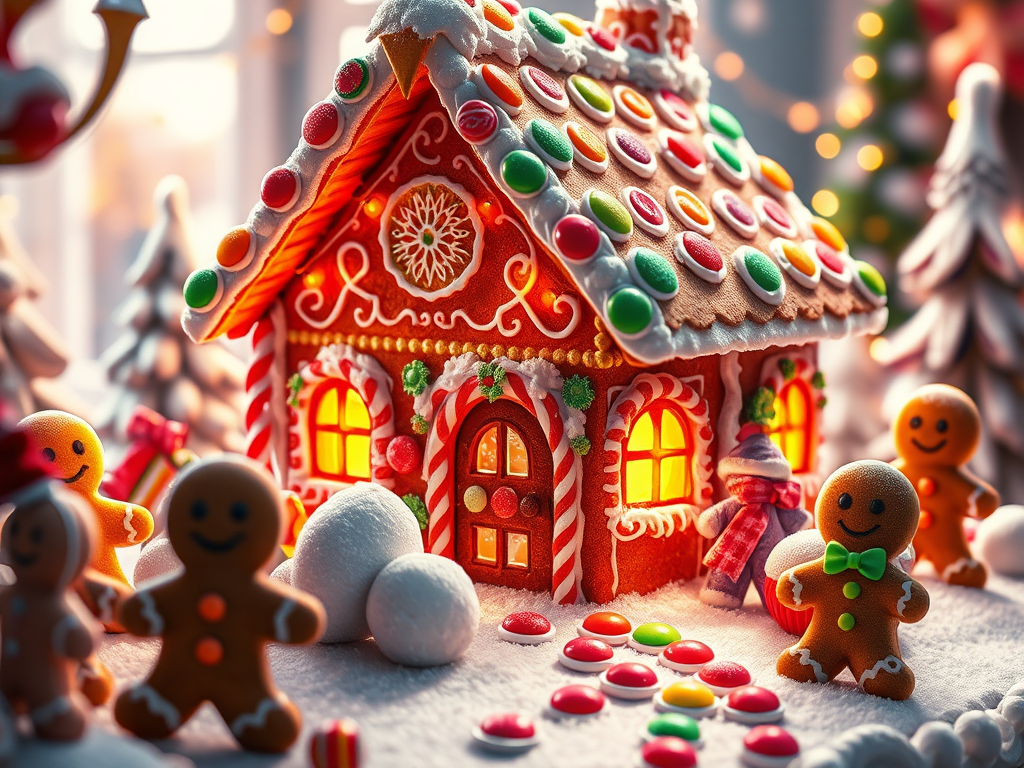
This past weekend I picked up a gingerbread house from Costco. It was too sweet of a deal to pass up at only $13.99. A little girl who was with her mom saw it in my cart and said, “A gingerbread house, Mom—no fair!” Her mother started to head over to the aisle after I told her the price.

I had fun putting it together with my daughter. There were some gingerbread people in the front of the house that seem to have gone missing (hmm) — I wonder how that happened! But I love making traditions with my family. I actually did not grow up putting together a gingerbread house, but a friend from my kid’s Catholic school kept giving me a kit and I finally got into it. If you are looking for a fun, no-stress activity, this is it. Plus, the icing is yummy.


How Did Gingerbread Houses Become a Christmas Thing?

Gingerbread dates back to medieval Europe, where it was a luxury treat made with honey and exotic spices. The first recorded English recipe appeared in 1390 in The Forme of Cury, written by the cooks of King Richard II.

A page from late 14th-century manuscript in the John Rylands Library, Manchester[a]

The idea of building houses from gingerbread started in 16th-century Germany, inspired by the Brothers Grimm fairy tale Hansel and Gretel. Side note: as a child my mom used to read me these very scary Grimm’s fairy tales as a kid. I think they liked to scare kids in the 80s. But anyway, German bakers turned this into an art form, and immigrants later brought the tradition to America. Today, decorating gingerbread houses is a festive way to combine creativity, sweetness, and family fun.


The Original Gingerbread Recipe (14th Century)

This medieval version was more like a spiced honey candy than a cookie:

Ingredients:

  • 1 quart honey
  • Saffron (for color)
  • Powdered pepper
  • Grated bread (to thicken)
  • Powdered cinnamon
  • Optional: sandalwood (for red coloring)
  • Cloves (for decoration)

Instructions:

  1. Boil the honey and skim it clean.
  2. Add saffron and powdered pepper.
  3. Stir in grated bread until thick enough to slice.
  4. Sprinkle cinnamon on top.
  5. Shape into squares or slices.
  6. Decorate with box leaves and cloves; color red with sandalwood if desired.

This treat was served at feasts and cut into diamonds—sweet, chewy, and spiced, a far cry from today’s molasses-based cookies!


So if you’re looking for a cozy holiday tradition, grab a kit, gather your loved ones, and make your own sweet memories.

Posted on Leave a comment

Christmas Traditions: Nigeria vs. Western Celebrations

By Haven Adisa

The other day, my daughter came home from school with tears in her eyes. Her classmates had told her, “There’s no Santa Claus.” She looked at me, searching for answers, and in that moment, I realized this was more than a question about a man in a red suit—it was about the magic and meaning of Christmas.

So, I sat her down and told her the truth: Santa Claus is real—but not in the way you think. He lives in the spirit of generosity, kindness, and joy that has been part of Christmas for centuries.

Christmas Didn’t Start Right Away

People often assume Christmas has been celebrated since the birth of Christ. In reality, it wasn’t an early Christian holiday. According to historical records, celebrations of Christ’s birth began around 200 AD, and by the 4th century, churches agreed on December 25 as the official date. Why that date? Some link it to the Roman festival Saturnalia, others to Jewish traditions. Over time, elements from pagan winter festivals—like gift-giving, greenery, and feasting—blended into Christmas.

Traditions That Shaped Christmas

  • Nativity Scenes: St. Francis of Assisi introduced the first crèche in 1223, making the Nativity central to Christmas.
  • Christmas Trees: Originating from pagan symbols of life, they became a sign of hope and eternity. Early gifts were hung on trees before moving under them.
  • Holly & Yule Logs: Holly symbolized everlasting life and Christ’s crown of thorns; Yule logs came from old customs of sharing warmth.
  • Santa Claus: Rooted in St. Nicholas, a 4th-century bishop known for secret acts of charity. Dutch settlers brought his tradition to America, evolving into the jolly Santa we know today.

Christmas in Nigeria: Vibrant and Joyful

In Nigeria, Christmas is a family-centered celebration filled with color and music:

  • Family Reunions: Many travel to ancestral villages for big gatherings.
  • Church Services: Worship and carols are central on Christmas Day.
  • Festive Meals: Jollof rice, pounded yam, goat meat, and “small chops” like puff-puff and samosas.
  • Fashion: Coordinated Ankara outfits—families compete for the most stylish look!
  • Father Christmas: Children eagerly await gifts from Baba Christmas, often at parties or community events.
  • Decorations: Homes, malls, and streets sparkle with lights and ornaments.

How Does This Compare to Western Traditions?

  • Family: Both cultures value togetherness, but Nigeria emphasizes large village reunions.
  • Food: Western tables feature turkey and pies; Nigerian feasts are spicy and diverse.
  • Fashion: Cozy sweaters in the West vs. bold, elegant attire in Nigeria.
  • Santa vs. Father Christmas: Sleigh and reindeer vs. dancing in vibrant prints.
  • Decorations: Both love lights and trees, but Nigerian celebrations add music and color everywhere.

One thing I love to do is eat on Christmas. I love to make Jollof rice with a nice crunchy salad and then top it off with a sweet and delicious Puff-Puff. I inherited these recipes, but I will gladly pass them on. They’re like little yummy donuts and they’re great to leave Santa. Here is the recipe:

To make Puff Puff, follow these steps: